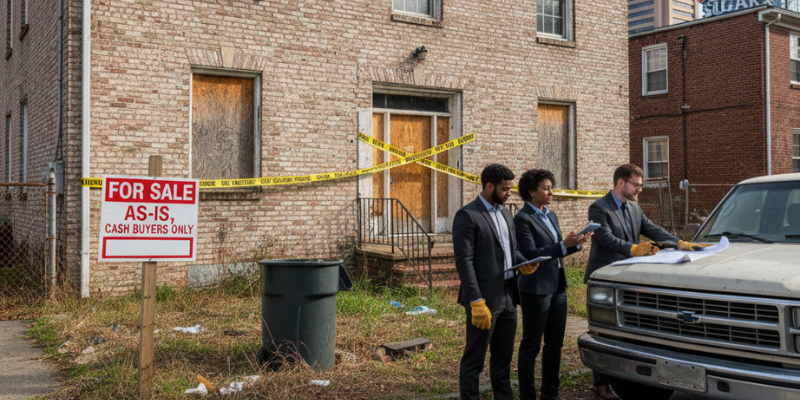
At first, it might seem that selling a condemned house in Maryland is a hard thing to do. The word “condemned” can be intimidating on its own, and most homeowners don’t expect to have to deal with a property that has been deemed unfit for habitation. Still, these things happen more often than most people think, and they don’t always mean that the property is worthless. If you prepare ahead, do what you need to do, and know what your options are, selling a condemned property may be a manageable and often surprisingly good experience. This guide walks you through the steps of the process and helps you understand the rules in your area, think about your options, and make good choices. If you want to get things done quickly, effortlessly, or get the most out of what you do, having the right knowledge makes all the difference.
Brief Overview
Selling a condemned house in Maryland isn’t always easy, but it doesn’t have to be too hard. A lot of the time, these properties have legal problems, safety difficulties, and purchasers who aren’t sure whether they want to buy them. But if you handle them well, they can also garner a lot of serious interest. It’s important to remember the restrictions in Maryland, be honest about how the property is, and only talk to buyers who are ready to buy it as-is. Many homeowners decide to cooperate with investors or people who pay cash. This can help you secure finance faster and with fewer delays. A condemned house can still be sold quickly and easily if the price is correct and the communication is clear.
Key Highlights
- Find out what Maryland’s requirements are for selling condemned homes so that the process runs more smoothly.
- Make the property safer and simpler to sell by fixing major flaws.
- Talk about the property’s unique features and the benefits of the location to get people interested in buying it.
- Think about making cash offers to make things easier and cut down on extended negotiations.
- Set the price of the property such that it draws in buyers and speeds up the sale.
How to Know What the Conditions of Condemned Houses Are in Maryland
A condemned house is in a category of its own, and selling one in Maryland can be challenging without the right information. Homes are typically condemned only after inspections and official notices confirm serious safety or habitability problems. Understanding the reason for the condemnation is crucial because it affects how the property can be sold, what disclosures are required, and who may want to buy it—often investors or companies advertising we buy houses in Maryland. Being aware of the laws can help prevent delays and stalled negotiations. The sections ahead explain what makes a house unlivable and what sellers in Maryland need to do.
What makes a house unlivable?
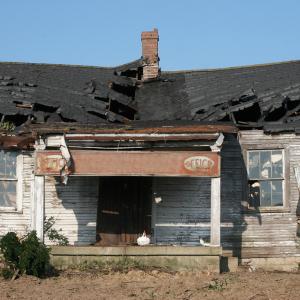
When the government decides that a house is no longer safe and healthy, it is said to be condemned. In Maryland, this usually happens after an inspection that was requested because of complaints, obvious damage, or a lack of care over time. The difficulties are frequently significant enough that those who live in the house or nearby could be in danger.
One of the most common reasons is that the building is damaged. The structure’s foundations could be weak, the roof could be falling down, or the framing could no longer be able to hold the building up. Also, old wiring, pieces that are exposed, or electrical systems that could spark a fire can also cause condemnation. Another prevalent problem that shows up in condemnation reports is plumbing problems, sewage backups, and not having heat that works.
Also, environmental considerations are a factor. Mold, asbestos, lead-based paint, or dirty water sources can make a property dangerous. A property is often condemned because there are a lot of problems that haven’t been fixed.
Knowing these factors can help sellers decide whether to make repairs or sell the item as-is. It also helps you communicate with buyers, a lot of whom want to know if the building can be saved or if the land is where the value lies.
What You Should Know About Selling a House That Has Been Condemned in Maryland
When you sell a condemned house in Maryland, you have to do certain things by law, especially when it comes to telling the truth. Sellers must let buyers know that the property is in bad shape and has been condemned. This entails saying clearly why the property was condemned and offering any proof that is available.
People regularly share inspection reports, notices of violations, and letters from local governments throughout the process. All known risks must be made explicit up front. Maryland law values openness very highly, and not supplying information could lead to severe legal troubles after the sale.
The sale may also be affected by zoning laws and limitations on how land can be used in the future. Some condemned properties are in areas that are being renovated or that will be used for public purposes. If sellers know these things, they can answer customers’ questions accurately and avoid surprises later.
Following these legal rules from the start usually makes everything run more smoothly. People are less likely to change their minds at the last minute if they know exactly what they’re getting into.
How to Prepare Your House for Sale After It Has Been Condemned
Preparing a condemned house for sale doesn’t always require making it livable. More often, it’s about making smart, targeted choices that help you sell your house fast in Rockville without overspending. Buyers interested in these properties expect issues—they just want clear, honest information about what they’re getting into.
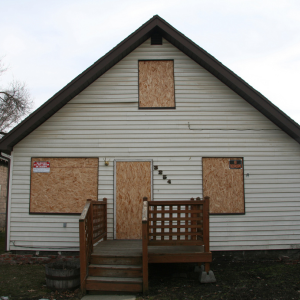
Solving Big Problems
A professional review can help you figure out which issues are most likely to stop a deal from going through. Not every fault needs to be fixed, but fixing large safety problems might help consumers feel better about the deal.
People often worry a lot about damage to the roof. Even tiny fixes that keep things from getting worse can help. Electrical safety is also very crucial. Bringing wiring up to basic safety standards decreases the risk and indicates that you care about your property.
People who want to buy a home also care about plumbing problems, heating problems, and sewage problems. Being honest about what can and can’t be fixed develops trust and makes conversations go more smoothly.
Showing people who might want to buy it how valuable it is
Even houses that are about to be torn down often have good things in them. Most of the time, the location is the most significant thing. For a lot of buyers, the home’s current condition isn’t as significant as how close it is to schools, public transportation, hospitals, or neighborhoods that are growing.
People might also be interested in the size of the property, the style of the house, or the historical characteristics. Some buyers want to buy properties that they can completely transform, while others are more interested in fixing them up.
Showing these choices clearly helps buyers ignore the condemnation label. Giving buyers the option of a free cash offer can make them even more intrigued if they are ready to sell quickly.
How to Sell a House That Has Been Condemned
There is no one right way to sell a condemned house. The best thing to do will depend on your schedule, budget, and goals.
How to Choose the Best Buyer for Your Home
People who buy homes with a mortgage don’t necessarily blend well with condemned buildings. People who pay cash, investors, and developers are usually more ready.
Investors may wish to fix up the property and then either rent it out or sell it. Developers might think more about how much the site is worth and what it could be used for. People who pay with cash frequently want things to be quick and uncomplicated.
Knowing what these kinds of buyers desire can help sellers save time and better serve them.
How to Sell a House That Is Not Safe
Selling a home as-is can help homeowners avoid expensive repairs. The buyer agrees to take the property as is, which is beneficial for people who buy with cash or invest.
It is really vital to be open. People won’t be confused if companies are honest about what they sell and make it clear what they are selling. Instead than focusing on looks, it’s better to talk about potential, location, and future value.
Cash offers are often easier and faster to close, which makes them quite enticing for sales as-is.
Steps to Selling a House That Has Been Condemned
- Give a complete and honest assessment of the property’s condition.
- Pay attention to the location, size of the lot, and any other unique features.
- Explain the chance for redevelopment or rental income.
- Show that you’re willing to make transactions for cash quickly
- Be honest about how much the renovations will cost.
- Write a clear, interesting story about what the land could be used for.
Knowing How Much Condemned Properties Are Worth
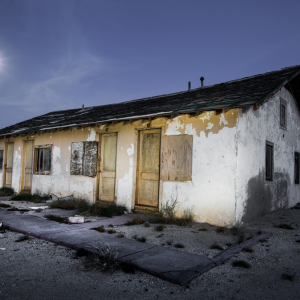
People often neglect condemned properties, yet they can be very valuable in the right settings. Sellers can better market these homes if they know how buyers see them.
How to Price Your Condemned Property Correctly
The pricing should reflect both the current situation and the potential for the future. A smart place to start is by looking at sales of things that are similar.
We need to be honest about how much the repairs will cost. Buyers will include these charges in their offers. Giving them estimates helps them make good decisions.
Prices could be greater because of things like vast lots or exceptional locations. People are more inclined to become involved if you give them the option of a free cash offer.
Get a free cash offer for your house that has been condemned.
One of the simplest ways to sell a house that has been condemned is to ask for a free cash offer. Cash buyers know how to handle residences that are in difficulty and are ready to act right away.
Why a Cash Offer Can Help
Cash offers eliminate lender restrictions, reduce contingencies, and expedite deadlines. This might be a significant positive for homes that have been condemned.
People who pay cash are less likely to back out because of complications with financing, and they can usually close in a few days. For sellers who wish to move on quickly, this reliability is helpful.
Selling a condemned house in Maryland may feel overwhelming at first, but the process can be much simpler with the right approach. By understanding local regulations, working with the right buyers, and being transparent about the property’s condition, sellers can turn a challenging situation into a positive outcome. Direct MD Cash Buyers buys houses for cash—contact us today to get started.
FAQs
What does it mean for a house in Maryland to be condemned?
If a house doesn’t meet safety and health standards because of serious faults with its structure, the environment, or the code, it is said to be “condemned.”
How can sellers handle big concerns when they sell a house that has been condemned?
Sellers can have professionals check the property, place the most significant safety issues first, and make sure buyers are aware of any additional problems.
What do you have to do in Maryland to legally sell a house that has been condemned?
According to Maryland law, the seller must fully explain the property’s condition, including why it was condemned and any known risks.
How can you make the sale of a condemned house go faster?
You can speed up the process by selling the house as-is, going for investors, and accepting cash offers.
What should the price be for a condemned house to attract people to buy it?
Prices should be based on how the property is now, how much it will cost to fix, and how much it could be worth in the future. They should also be based on market data and honesty.
Helpful Maryland Blog Articles
- Selling Your Home By Owner In Maryland
- Selling A Probate House In Maryland
- Selling Your Home During A Divorce In Maryland
- Selling Your Maryland Home During Foreclosure
- Filing A Quitclaim Deed For Real Estate In Maryland
- Selling Tenant Occupied Property in Maryland
- Selling a House in Bad Condition in Maryland
- Who Pays Taxes When Selling a House in Maryland?
- How to Handle an Inherited House with Sibling in Maryland
- How Do I Get My Name Off a Mortgage in Maryland?
- Can You Sell A House with Asbestos in Maryland
- Can the Seller Back Out of A Contract in Maryland
- How to Sell A Condemned House in Maryland