
There may be times when you want to sell your home for less than it’s worth because of changes in the market or in your own life. People who own homes in Baltimore, MD, often have to deal with this difficult procedure because the market and what buyers want are always changing. You need to know what occurs when you price something below its fair market value if you want to speed up a transaction, answer buyer inquiries, or change with the market as a whole. This lesson is about what makes prices go up or down, how to sell well, and the good and bad sides of doing so. The Baltimore housing market is continuously changing, but this knowledge can help you make wise choices.
Brief Overview
If you want to, you can sell your Baltimore house for less than it’s worth, but it depends on your situation and how the market is performing. This guide will show you how to find out how much your home is worth, how to set a fair price for it, and the pros and cons of selling it for less than its assessed value. There are several neighborhoods in Baltimore, and the market is always changing. Different purchasers also have different tastes, which have a huge effect on property values and sales. It’s just as important to know how the law, taxes, and your sentiments will affect you; it’s best to receive guidance from an expert. If sellers keep these rules in mind, they can attain goals that will aid them in both their business and their personal lives.
Key Highlights
- When selling strategically, you need to know the difference between appraised value and market value.
- The price of a house in Baltimore relies on the economy and how nice the neighborhood is.
- In a market that is continuously changing, using comparables and equity to set pricing helps keep them fair.
- If you want to make offers that are lower than the evaluation, you need to know why the buyer is interested and how to negotiate properly.
- A house’s worth could go up if it is renovated for a specific reason.
Real estate: Knowing the difference between the appraised value and the market value
If you want to perform well in real estate, you need to grasp the difference between appraised value and market value. A licensed expert delivers an estimated assessed value based on items including the property’s location, condition, and sales of similar properties. On the other hand, market value refers to the price that someone is willing to pay. In Baltimore’s fast-moving market, these numbers can change a lot. If homeowners know that there is a difference, they can make smarter decisions when considering selling for less than the appraised worth. You need to know both values very well to determine your rates and what you expect.
How the Appraisal Figures Out How Much Your Home Is Worth

The appraisal procedure is meant to help you get your home ready to sell. A qualified appraiser looks at many different parts of a property to figure out how much it is worth. The house’s location, how well it is kept up, and the prices of similar properties that have sold in the past, called comparables, are all very important. Improvements or renovations are also important since they can make a home more attractive and comfortable for buyers. An appraisal tells you how much your home is worth, but it doesn’t always tell you how much it will sell for. If sellers in regions with a lot of competition, like Baltimore, know about this difference, they can set the correct prices for their homes. When homeowners grasp how appraisers figure out value, they have greater influence when they set up their sale and negotiate.
Things that lower the value of homes in Baltimore, MD
There are a lot of elements that can change how much homes in Baltimore are worth. The area needs a lot of jobs and a strong economy to do well. When loan rates go up or down, buyers can afford to pay different amounts, which impacts the bids they make. The value of a house can also alter depending on where it is, what time of year it is, and what new projects are going on. Prices could be higher in places that are close to hospitals, colleges, or public transit. On the other hand, demand could go up and down in neighborhoods that are changing. If you own property and are considering selling it for less than what it is worth on the market or in an appraisal, you should know these points. Sellers may be able to make better choices and navigate Baltimore’s real estate market more easily if they keep up with what’s going on in their region.
How to Price Your Baltimore Home to Compete
It’s very important to know what the correct price is when you sell your house. People will be intrigued if you set a realistic price that demonstrates how much your home is worth. In Baltimore, this involves looking at sales of properties that are similar to yours, knowing how much equity you have in your property, and looking at market data. You will get more bids and sell your home faster if you choose the right price. Sellers may make their properties more competitive without lowering their value too much by following a plan.
What properties like yours are selling for in your area
To get a fair and accurate price for your Baltimore home, it’s important to review comparable sales, often called “comps.” These are recently sold properties that are similar in size, condition, and location to yours. When evaluating comps, consider factors such as square footage, age, number of bedrooms and bathrooms, and any special features. To reflect current market conditions—especially if you’re trying to sell your house fast in Baltimore—focus on sales from the past six months. Local real estate experts can also provide insight into neighborhood trends and location-based value drivers. Using strong comparable properties to guide your pricing strategy helps keep your home competitive and attracts serious buyers in today’s market.
Getting a fair price with equity
The value of your property minus the amount you still owe on your mortgage is your home equity. This is a very significant aspect of how prices are decided. Homeowners can set pricing that will attract buyers without lowering the value of their house by using equity. When interest rates go up or down or when buyer demand changes, equity can help Baltimore sellers manage these shifts in the market. Think about your equity and what’s going on in the market to come up with a price that works for both you and your buyers. Sellers can set a fair and competitive price by thinking about how much the home is worth.
The location of a home in Baltimore affects its price and value.
The location of a house has a big effect on how much it is worth. There are many different neighborhoods in Baltimore, and each one has its own pros and negatives that affect the value of homes. If sellers know these little things, they can establish prices that are competitive and reach the right group of buyers. By thinking about schools, amenities, and lifestyle, you can make sure your home meets what buyers desire. This makes it more appealing and likely to get a higher price.
What makes each neighborhood in Baltimore unique
Homes in different neighborhoods in Baltimore might have very varying prices and quality. The market value increases in historic districts like Fells Point, which has a waterfront and streets formed of cobblestones. Young people embrace new places like Hampden because they have both shopping and cultural events. It’s really vital to be close to schools, parks, and public transportation. A house is more enticing when it is safe, has better community services, and has more things to do nearby. In a market with a lot of competition, sellers might be able to leverage these special things about the community to their advantage.
What People Who Want to Buy in Baltimore Want
What buyers seek will determine the pricing and how a home is shown. Families often care more about schools than younger buyers do. Younger purchasers might be more interested in things like nightlife, public transportation, and modern comforts. People are choosing homes with open floor plans, outdoor spaces, and less energy use more and more. Your house may sell faster and for more money if you talk about facilities that match these needs. To make sure that the style and price of your property are right for buyers, you need to know what they want.
How to Talk About Offers That Are Less Than the Appraised Value
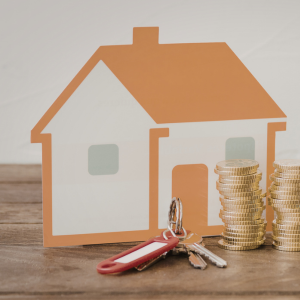
Receiving an offer below the assessed value can feel discouraging, but effective negotiation can make all the difference. By understanding what motivates buyers and using practical strategies, sellers can still achieve a fair outcome. In markets like we buy houses in Maryland, open communication and a willingness to work together often help both sides reach an agreement—even when offers come in below the appraised value.
Looking at Things from the Buyer’s Point of View
People who buy homes for less than what they think they are worth perceive them as chances, but they could also be worried about hidden costs or repairs that need to be performed. If you are honest about the repairs, restorations, and worth of the home from the start, people will trust you. If you convince buyers that the neighborhood is thriving or that the home could be a good long-term investment, they are more likely to strike a deal, even if it’s less than what the property is worth.
How to talk about the sale that’s happening
A successful negotiation includes good communication, focusing on fixing up the house, and offering incentives to enhance the value. You can make the sale more desirable without raising the price by offering to pay closing fees, like furniture, or letting the buyer choose when they want to move in. If you know whether the local market is good for buyers or sellers, it may assist you in determining whether to stick to your guns or take offers. If sellers use these strategies effectively, they can still make sales even if the first bids are lower than the appraisal.
How alterations to a house affect its value and how much it sells for
It’s a good idea to make smart changes to your property because they can enhance both its market value and its appraised value. Adding new fixtures and making the kitchen and bathroom better are two things that often pay off big time. Make sure the improvements you make to your home are what people in your area want if you want to make it more attractive and desirable.
How to Find Out the Return on Investment for Home Improvements
In order to pick the upgrades that will provide you the best value, you need to know how much they will cost. The kitchen, bathroom, yard, and outside of the house are the parts that change the most often. Sellers should make changes that buyers want and that are prevalent in the neighborhood to receive the maximum money for their house and keep it competitive.
What people in Baltimore like to do to their homes
People in the area enjoy homes that have been modified to include energy-saving features, open floor plans, outdoor living spaces, and historic features that have been brought up to date. These adjustments can make buyers think the product is worth more, which could lead to greater sales. In Baltimore’s diversified market, homes that are still in style and meet buyers’ needs are more likely to sell quickly.
Can you sell a house for less than what it’s worth?
If you need to sell quickly or for personal reasons, you can choose to sell for less than the property’s worth. It might make the house worth less, but it might also help it sell faster or keep it from being on the market for too long. You should know how this will affect your money, taxes, and the law before you do it.
The Law About Selling for Less Than What the Appraiser Said It Was Worth

Sellers must receive permission from the lender, write down the terms of the deal appropriately, and follow the rules for real estate in Baltimore. If the sale doesn’t cover the mortgage, it’s vital to be honest and open with lenders. If you get legal guidance from a professional, you can be confident that everything is done correctly and that the talks go well.
The Short Sale Process for Baltimore Homeowners
Homeowners can sell their homes for less than what they owe on their mortgages if the lender agrees. You need to put down proof of your money issues and come up with words as part of this plan. Getting help from a professional can make tough talks easier, minimize the chance of credit problems, and make sure that the regulations are followed.
Why you should sell your home for less than what it’s worth
If you need the money, need to move quickly, or the market isn’t particularly good, you may have to sell for less than what the appraiser stated it was worth. This is an excellent option because it can help you sell faster, minimize your holding costs, and, in some situations, lower your financial stress.
Things You Need Right Now and Money
Sellers often lower prices when they need money quickly, like to pay off a mortgage or medical expenditures. A carefully designed price cut can bring in buyers right away, which helps with money concerns and keeps the market from being open for too long.
When you need to sell quickly
Selling quickly cuts down on carrying costs, relieves stress, and makes it easier to make adjustments to your life on schedule. Quick sales also take advantage of buyers’ need for speed, so even if the price is lower than expected, discounts are still good.
What It Means for Taxes When You Sell a House for Less Than It’s Worth
If you’re selling a home, especially one where payments are behind, your taxes could be affected if you sell for less than the appraised value. Generally, you can write off losses on investment properties, but not on your primary residence. You may also be able to deduct certain costs related to preparing the home for sale. Working with a professional can help you navigate the rules, follow guidelines, and achieve the best possible outcome.
Finding Out About Possible Tax Deductions
You can pay less in taxes if you use capital losses, expenditures associated to sales, and investment offsets. If you know the tax laws for Maryland and the federal government, you can get the most out of your deductions and avoid surprises.
How to Get the Most Out of Your Conversations with Financial Advisors
Financial experts assist sellers in figuring out what taxes they owe, making the best arrangements, and considering how their choices would influence their money in the long run. They know how to make sure the deal is legal and will help you reach your long-term financial goals.
You should consider these factors if you sell your house for less than it’s worth.
There are both practical and emotional motives to sell. It’s necessary to break emotional ties, learn how to lose equity, get aid with money, and make preparations for where you’ll live in the future, all at the same time. Taking care of these factors makes sure that options are well-rounded.
Handling both emotional and practical problems
People care about their homes because they hold memories. You’ll feel better if you think of new chances and money. You should consider about things like losing equity, paying for repairs, and getting ready for the future.
How Your Money Will Change Over Time
You will lose equity if you sell your property for less than what it is worth. In the future, this will make it tougher for you to get things and make money. You might be able to decrease the long-term effects by properly budgeting your money, receiving advice from a professional, and considering options like downsizing or reinvesting.
How to Sell a House for Less Than Its Value
You can watch out for the seller’s best interests in a number of ways while still selling a house for less than it’s worth. You can sell for cash, at an auction, in a short sale, with a lease-to-own contract, or with money from the owner. Each one has its own merits and cons, depending on your financial and market goals.
Finding other ways to make a sale
Cash sales, auctions, and owner financing are all faster and more flexible options to acquire. Investors might be okay with prices that are lower than what the property is worth. Owner financing makes the market more open to purchasers and gives them more money over time. Auctions can entice more people to bid.
Considering the good and bad points of numerous approaches to the market
It could take some time, but traditional listings could help you get noticed. You can change direct sales, short sales, and lease-to-own deals rapidly, but they might not be as transparent or make as much money. If you know what these trade-offs are, you can make sensible choices.
To wrap things up
There are many valid reasons to sell a home in Baltimore for less than its assessed value. You may need to sell quickly, your property might not align with current market demand, or your personal situation may call for a fast, stress-free sale. The best decisions happen when homeowners understand their goals, the legal process, current market conditions, and the financial impact of selling. With expert guidance at every step, you can move forward confidently and keep your personal, financial, and strategic priorities aligned. Direct MD Cash Buyers buys houses cash — contact us today to explore your options and get a no-obligation offer.
FAQs
What does it mean to sell a house for less than its worth?
It means agreeing to a price that is lower than what an expert feels it should be. This is sometimes because of financial needs or market conditions that make the acquisition happen faster.
If you sell your property for less than what the appraiser says it’s worth, how does the Baltimore real estate market affect the price you can get?
Prices change based on where you live, what people want, and how well the economy is doing. You can set pricing that is fair and smart if you know how things work in your area.
How can you make your prices in Baltimore lower than those of your competitors?
You can make sure your prices are competitive by looking at sales, using equity, and focusing renovations on what purchasers desire.
What are the pros and cons of selling a house for less than its worth?
Both of these things are good: sales happen faster, and costs are lower. You could lose equity and have trouble making plans for the future.
What legal problems do you need to consider?
You need to receive the lender’s approval, fill out all the paperwork, and pay your taxes on time to avoid difficulties and make sure the sale proceeds well.
Helpful Baltimore Blog Articles
- Do You Need a Deed to Sell a House in Baltimore, MD?
- Navigating Tax Implications of Selling Your Home in Baltimore, MD
- Selling a House with Termite Damage in Baltimore, MD
- How To Sell A House in Baltimore, MD When You Are Behind on Payments
- Can I Sell My House for Less than Appraised Value in Baltimore, MD
- Can Heir Property Be Sold in Baltimore, MD