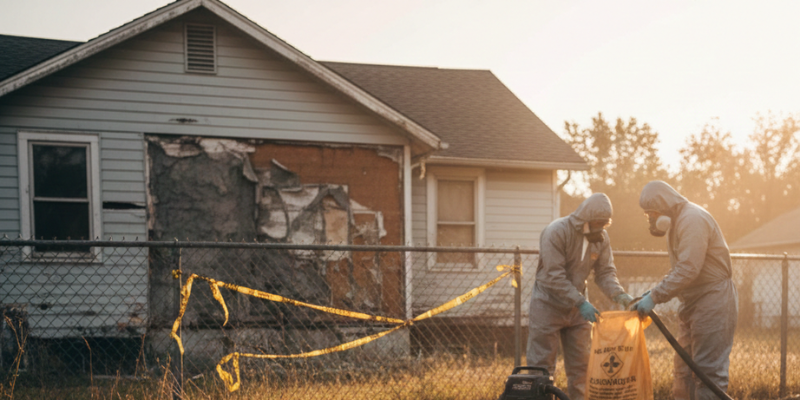
In Maryland, it can be challenging to sell a house with asbestos in it, especially when there are health dangers and legal requirements to think about. Many homeowners are worried that having asbestos in their home would scare away buyers or make the deal too hard to fix. If you know how to do it and take the appropriate steps, you can sell a house with asbestos. This article teaches you what to expect, how Maryland laws will affect you, and how to make your house safe from the law while still making it appealing to serious buyers. Fixing these problems early on helps keep things moving and lowers stress, whether they are in older historic homes or newer homes that accidentally contain asbestos in. If you get the right help and plan, it shouldn’t be too hard to sell a house in Maryland that has asbestos in it.
Brief Overview
If you want to sell a house in Maryland that has asbestos in it, you need to know the law, be aware of health issues, and use smart selling methods. The first thing to do is generally to have professionals check to see whether there is asbestos. This helps vendors meet their legal obligations and gives purchasers peace of mind. Maryland law specifies that persons must be honest about any asbestos they know about, and it may require skilled professionals to undertake the task. Before determining whether to encapsulate or remove asbestos, sellers should think about costs, timelines, and what purchasers desire. Clear information, reasonable costs, and savvy advertising can all make purchasers feel more at ease. When you hire real estate and asbestos experts who have been in the business for a long time, things usually go more smoothly, and there are fewer surprises. Asbestos doesn’t have to hinder you from selling your home if you know how to deal with it.
Key Highlights
- You need to know Maryland’s asbestos rules to make sure your house sale goes smoothly and is legal.
- Asbestos testing by a professional protects sellers and makes purchasers feel more at ease and open.
- The seller can choose between full removal or asbestos encapsulation based on the condition of the material, their budget, and their market goals.
- Being honest and open lowers the risk of legal difficulties and helps potential purchasers trust you more.
- Strategic marketing that focuses on improving safety and managing asbestos correctly can bring in serious, qualified buyers.
What You Should Know About Asbestos in Your House
If you want to sell your home, it’s crucial to know about asbestos, especially in Maryland, where there are a lot of older properties. People used to use a lot of asbestos because it was tough and didn’t melt under heat. But a new study has found that it can be dangerous for your health. If sellers know where asbestos might be in their home and why it matters, they can make informed choices, follow the law, and avoid difficulties at the last minute. When sellers take the time to understand asbestos and what it means, they may be better able to deal with buyer concerns and move forward with confidence.
What is asbestos, and where can it typically be found?
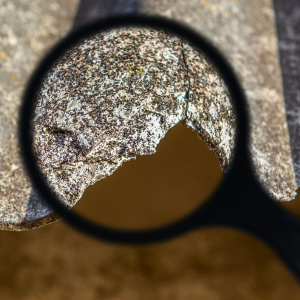
Asbestos is a mineral that is found in nature and was utilized a lot in building materials in the 1900s. It was robust, kept heat in, and didn’t catch fire easily, which made builders happy. When asbestos fibers are disturbed and breathed in, they can get caught in the lungs and cause lethal diseases such as asbestosis, lung cancer, and mesothelioma. Because of these risks, there are rigorous rules around asbestos, and homeowners need to be careful when selling it.
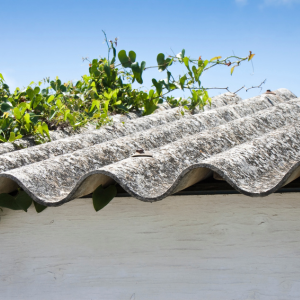
People often employ materials in their homes that contain asbestos to keep out heat, fire, or noise. Some of these things are insulation for attics and pipes, roofing shingles, siding, vinyl floor tiles, cement board, and textured ceiling finishes. In older homes, asbestos can also be discovered in places that aren’t as obvious, such as drywall joint compound, the backing on flooring, or the insulation under boilers and furnaces. A lot of people in Maryland experience this problem when they try to sell their homes since homes built between the 1930s and late 1970s are more likely to include asbestos.
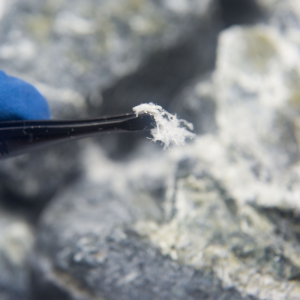
One challenge for sellers is that asbestos isn’t always easy to see or find. Some products may look harmless, but they could still have asbestos fibers in them. This is why it’s so important to have specialists look at and test things. Certified inspectors can gather samples and send them to labs that are known for doing good work. This provides them with concrete answers instead of making them speculate. Sellers can better plan what to do next once they know where the asbestos is and how good or horrible it is.
Sellers can benefit in many ways by being proactive. It helps them meet the requirements for transparency, get ready for questions from buyers, and avoid delays during inspections or negotiations. It also indicates that you are responsible and honest, which are two things that buyers prefer. Dealing with asbestos can be daunting, but sellers have an advantage when they identify it early. This makes the whole process go more easily, from listing to closing.
Why Home Sellers Should Be Concerned About Asbestos
Sellers are anxious about asbestos not only because it could be dangerous for health, but also because it could impact how buyers see the property and what the law says. People who want to buy a property today know a lot more than they did in the past, and many are hesitant when they hear the word “asbestos.” They may be afraid of the cost of future improvements, safety issues, or troubles selling the house again. These worries can change bids, how negotiations go, and even whether a buyer goes through with the sale.
Dealers in Maryland are required by law to notify buyers about any known risks of asbestos. This means that sellers can’t just ignore the situation or hope it goes away. If you don’t warn someone about known asbestos, you could get in trouble with the law, pay fines, or even go to court after the sale. Because of this, store owners need to know exactly what they need to say and how to say it.
Asbestos can also make a house worth less when it’s for sale. Some buyers might seek lower pricing or credits to help pay for repairs. Before closure, certain people would want certain work done. This could seem like a setback, but it’s also an opportunity. If sellers deal with asbestos issues before they become a problem, either by having it professionally removed or making sure there is adequate documentation, buyers are frequently less hesitant, and the deal goes through faster.
Sellers don’t have to get rid of asbestos, but providing purchasers with inspection reports, management plans, or cost estimates can help soothe their concerns. Without clear information, buyers may become anxious or confused, and in some cases may even choose to back out of a contract altogether. People are less likely to be uncertain when they can talk to each other openly. Customers are more likely to go ahead when they feel safe and well-informed. Being honest about asbestos hazards and handling them in a competent way can help sellers protect themselves legally, reduce the risk of a collapsed sale, and make their home more marketable.
The Rules for Selling a House in Maryland
There are some formal things that must be done before you can sell your house in Maryland. When asbestos is present, these rules are even more important. What the state and federal governments say about asbestos work and how to do it is important for sellers to know. If sellers know about these legal risks, they can avoid making mistakes that cost a lot of money and make the deal go more smoothly.
Asbestos rules that only apply in Maryland
Maryland has rules at both the state and federal levels that are aimed at protecting people and the environment from exposure to asbestos. The Maryland Department of the Environment is in charge of all things asbestos, like inspections, removal, and disposal. Sellers need to know when they need to recruit skilled workers and what notices they need to give before work may begin.
If a seller wishes to get rid of asbestos before putting their home up for sale, they need to hire personnel who are trained and follow strict safety guidelines. The state may need to be alerted before some kinds of abatement work can begin. These restrictions are there to protect workers, homeowners, and the community from the dangers of asbestos.
Maryland’s rules also indicate how to get rid of things that have asbestos in them. You might injure the environment and get big fines if you don’t put items out the right way. By working with licensed experts and following the rules, sellers protect themselves from liability and establish that they are following the rules.
Understanding these regulations allows sellers to plan ahead, set a realistic budget, and avoid unexpected issues during the selling process. When buyers learn that any asbestos concerns have been properly addressed in compliance with state requirements, it often gives them added confidence. This reassurance can significantly influence negotiations and help you sell your house fast in Maryland.
What You Should Tell Buyers When Selling a House That Has Asbestos
Vendors in Maryland must be honest about what they are selling. Under state law, sellers must warn buyers about any parts of the house that they know contain asbestos. Usually, this information is in the Seller’s Property Disclosure Statement. It must be filled out completely and truthfully.
Before they sell, sellers should have a professional check for asbestos so they can make the right disclosures. This guarantees that they have the right information about where asbestos is, how much of it there is, and what shape it is in. There should also be proof of any effort that has been done to address or deal with the situation. Instead of vague explanations, buyers enjoy having access to clear, detailed records.
Being honest and open protects both the buyer and the seller. If asbestos is detected after the sale, insufficient or misleading disclosures could cause legal complications. On the other side, merchants who are honest about everything make it less likely that customers would make claims in the future and create trust with them. As long as everyone knows what to expect from the outset, many agreements go well even when there is asbestos.
The first step in selling is to test for asbestos.
Testing for asbestos is often the first step to a successful sale if there is any doubt about it. An experienced look makes things clearer, which helps sellers know what to do and what their choices are. Testing also gives buyers peace of mind that the seller dealt with the problem correctly and took it seriously.
Why it’s important to have a home inspection for asbestos
Finding asbestos during a home inspection is a vital step in keeping people healthy, upholding the law, and helping the sale go more easily. Inspectors check sites where asbestos is common to see if the materials are still in excellent shape or if they are getting worse. We take samples and examine them to make sure that asbestos is there.
The test results assist sellers in deciding what to do. They help determine whether you can safely handle asbestos yourself or whether it needs professional remediation. Inspections also ensure that all disclosures are accurate, as required by Maryland law. Skipping this step could lead to delays in selling, additional negotiations, or even legal problems, especially if the property is in poor condition or has been condemned, since buyers are particularly cautious with such homes.
Inspection reports could also help you come to an agreement. When sellers give buyers professional papers, it demonstrates that they are responsible and makes things clearer. This honesty often makes conversations more useful and buyer inspections less startling.
How to Choose the Best Asbestos Testing Professional
It is crucial to hire a qualified person to test for asbestos. Sellers should look for inspectors who are licensed in Maryland and have experience working on homes. A solid reputation, credentials, and qualifications are all evidence that someone is trustworthy.
A good testing professional will undertake a full evaluation, explain the results clearly, and answer questions honestly. They should also pick labs that are certified and know how to collect samples correctly. Sellers can benefit from reading reviews, asking for references, or getting advice from their real estate agent.
Even if pricing is crucial, quality should come first. Testing that is improper or not finished can make things worse later on. You may relax knowing that you hired a reliable expert, and it will assist keep the sale on track.
How to Get Your House Ready to Sell with Asbestos
When asbestos is discovered, sellers must understand how to properly prepare their home for sale. This means exploring different solutions to address the issue, estimating the associated costs, and creating a clear plan for presenting the property to potential buyers. For companies that buy houses in Baltimore, preparation and transparency are essential—being ready helps keep the process moving smoothly and makes it easier for buyers to move forward with confidence.
What Home Sellers Can Do About Asbestos
Home sellers can repair problems in two main ways: by encapsulating them or by taking them away. Encapsulation is sealing off things that have asbestos in them so that fibers can’t get into the air. This option is usually cheaper and works well when the materials are in good shape and won’t be moved.
Removal costs more, but it gets rid of all the asbestos, which is good for buyers who want a safe house. Only licensed people who follow strict safety procedures can accomplish the removal. Some stores apply both methods at the same time, focusing on removing items from high-risk regions and encapsulating stable products.
There are good and bad things about each option. When selling a house, sellers should think about how much asbestos is in it, how much money they have, what the buyer wants, and how correcting the problem might change the value of the house. It doesn’t matter what approach is employed; it’s crucial to have the correct papers and do the job right.
How to Show a House with Asbestos to Buyers
You need to be honest, transparent, and reassuring when showing a home that has asbestos. Sellers should be ready to discuss what kinds of asbestos are in the building, how they have been dealt with, and what steps have been taken to make sure it is safe. Giving buyers inspection papers and repair records makes them feel smart and sure.
You can shift the focus from risk to value by focusing on the gains made following remediation, such as better materials or air quality. Also, sellers should collaborate with real estate brokers to address buyers’ concerns and make sure they are obvious during showings and negotiations.
You may also help them feel less nervous by cleaning and staging the room effectively and offering them documents when they come to visit. When people feel valued and informed, they are more likely to buy something.
How to Sell Your House Quickly Even Though It Has Asbestos
Selling a house with asbestos doesn’t have to be complicated or take a long time. With the right marketing plan and professional guidance, sellers can find the right buyers and keep the process going smoothly.
How to Sell a House with Asbestos
The first step to excellent marketing is to be honest. Sellers should talk up any concerns they have regarding asbestos right away and then move on to the good things about the house. People can have fair expectations when they see good images, take virtual tours, and read clear descriptions.
This approach is especially effective when targeting buyers who are comfortable purchasing homes that need renovations or offer strong investment potential. Being transparent and providing complete documentation helps build trust and minimize skepticism. When people are presented with honest information and a clear, logical case, they’re far more likely to make decisions quickly. Direct MD Cash Buyers buys houses cash, call us today.
FAQ
What do I need to know about selling a house in Maryland that has asbestos in it?
Sellers should know about the law, health issues, and how to rectify problems. Both sides need to be honest and follow the regulations for a seamless transaction.
How can I be sure I’m following the law when I sell a house in Maryland that has asbestos in it?
Get professional testing, let everyone know about any known asbestos, and make sure that the correct people with the right documents undertake any repairs.
How do you get rid of asbestos in your home?
The major options are to encapsulate or remove it. Each one costs a different amount and has a distinct effect on how customers see it and how much it is valued on the market.
How can I sell a house with asbestos to those who might be interested in buying it?
Be honest, show proof, talk about the work you’ve done to solve the problems, and focus on the home’s overall value and improvements.
What role do inspections have in selling a house that includes asbestos?
Inspections uncover asbestos, assist sellers in telling buyers what they need to know, and provide buyers with peace of mind. They are a key aspect of the process of selling.
Helpful Maryland Blog Articles
- Selling Your Home By Owner In Maryland
- Selling A Probate House In Maryland
- Selling Your Home During A Divorce In Maryland
- Selling Your Maryland Home During Foreclosure
- Filing A Quitclaim Deed For Real Estate In Maryland
- Selling Tenant Occupied Property in Maryland
- Selling a House in Bad Condition in Maryland
- Who Pays Taxes When Selling a House in Maryland?
- How to Handle an Inherited House with Sibling in Maryland
- How Do I Get My Name Off a Mortgage in Maryland?
- Can You Sell A House with Asbestos in Maryland
- Can the Seller Back Out of A Contract in Maryland
- How to Sell A Condemned House in Maryland