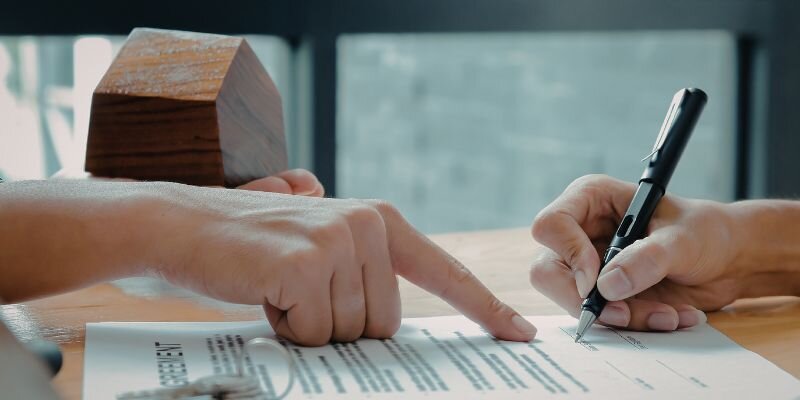
You need to know a lot about legal things like deeds if you want to buy or sell property in Baltimore, MD. These critical papers demonstrate that you own the property and are essential for the sale. The county deeds and the Maryland property deed ensure that the deal is legitimate, whether you are buying or selling a house or examining property rights. If home sellers are familiar with these documents, they can potentially earn more money by ensuring compliance with local regulations and avoiding potential issues. Learn the basics of property deeds so that you can sell your home in Baltimore with more confidence and simplicity.
Brief Overview
You need to realize how important deeds are for transferring ownership if you want to buy or sell property in Baltimore, MD. Maryland says that these papers must be lodged in the county land records. This makes it easy to tell who owns something and stops fights. Following the law, such as registering deeds, has an impact on taxes like recordation taxes, making the process of buying and selling property more transparent. Homeowners may require assistance in understanding the complex process of deeds and court validation, which is necessary for a safe and smooth real estate transaction. To sell something smoothly, you need the right paperwork and help from professionals.
Key Highlights
- Property deeds tell you who owns the property. This is very important for legal home sales in Baltimore, MD.
- A warranty deed ensures that the title is clear and protects the buyer from any potential issues.
- In Maryland, deeds must be registered to be considered legitimate and to facilitate a smoother tax process.
- When you purchase a deed, obtaining legal guidance reduces the likelihood of breaking the law.
- When you record a deed correctly, it makes everything clear legally and financially, and it also affects your taxes.
Understanding Property Deeds in Maryland

Property deeds are crucial documents that indicate who owns buildings and land in Maryland. Understanding the details of these papers will improve your experience, whether you’re selling a house or protecting your estate in Baltimore. This article explains what a property deed is and outlines the most significant components of a Maryland property deed. If you learn about these things, you’ll be able to make transactions on property faster and more readily. We’ll go over all the parts of deeds, including how important they are in land records, so you’ll be ready for any real estate deals.
What is a Property Deed?
A property deed is a legal document that allows one person to transfer ownership of a piece of real estate to another person. In Maryland and other states, deeds are the documents that change the title to property. They make it less likely that people will argue about claims. They are the legal description of the property and the terms that the buyer and seller agreed on. The deed form is the easiest to understand. It ensures that land remains within the boundaries established by land records. The warranty deed is the one that is utilized most of the time. It protects the buyer by ensuring that the transfer of title is clean and that there are no liens on the property. When dealing with real estate, estate deeds, and original documents, you need to be very clear and safe from the law. Land records also keep track of property deeds, so there is always a record of who owns what. This stops fraud or wrong information regarding the property’s past. Real estate and legal concerns can be very complicated, but if you know the basics of this paperwork, you won’t have any trouble taking care of your property or estate in the future.
Key Components of a Maryland Property Deed
To make sure that property sales go successfully, you need to understand the most crucial parts of Maryland property documents. First, it should be obvious who is giving the grant and who is obtaining it. These are the current and future owners, in that order. The identifying information must be correct so that ownership disputes don’t turn into legal problems. There must also be a clear legal description of the property. This description not only uses street addresses; it usually gives a full image of the land’s borders and coordinates. The deed must also specify the rights to the property being relinquished. This includes any restrictions or reservations, such as easements, to make sure that property rights are clear. For a grant to be legally legitimate in Maryland, a witness or notary must sign the grantor’s name. This ensures that the grantor’s wishes are clear and that the land records are accurate. The deed must also comply with Maryland property law, which typically requires it to be filed with the state’s land records office. This is a crucial step to ensure that the deal is documented in official records. If you are aware of these things, you’ll be able to take better care of your home or other property. This will make transfers run more smoothly. If you are familiar with these concepts, they can assist you with houses, original deeds, and understanding Maryland’s property laws for any property-related actions.
Legal Requirements for Selling a House in Baltimore
You need to know a lot about Maryland property law and the legal papers you need, including property deeds, if you wish to sell a house in Baltimore. A property deed is crucial because it establishes that the seller has the legal right to transfer ownership of the property to the buyer. It is essential to follow Maryland’s standards and sign this contract to ensure the property deal proceeds smoothly. Anyone who wants to sell property in Baltimore needs to be aware of these requirements so they can comply with the county’s and court’s rules and ensure they fulfill their legal obligations. If you want to avoid delays or legal missteps, it helps to understand how our process works and what steps are involved in selling a house correctly in Baltimore.
Is a Property Deed Necessary for Sale?
In Baltimore, you need a property deed to sell real estate lawfully. The deed is a legal document that shows the seller owns the property. Maryland law requires that the property deed be documented in the county land records to make the transfer of ownership legitimate and prevent any objections. The sale of the house cannot proceed legally without a deed that is signed and recorded correctly. This could get you in trouble with the law. To sell property in Baltimore City, you need a deed. This illustrates the crucial role of the law and the legal system in this process. It is a very important piece of paperwork for selling property, as it serves the interests of both the county and the buyer. The deed must clearly state the details of the sale, including the names of the buyer and seller, a legal description of the property, and any liens or other claims that impact the title. The deed is even more legitimate if it meets the standards of both the state and the county. Sellers need to be aware of the rules in Maryland regarding the purchase and sale of property to ensure complete legality. This will help you understand things quickly. Following the law and properly documenting the deed can help both parties avoid expensive lawsuits and ensure the buyer receives the property quickly and safely. If you want to move quickly and legally, you can sell your house fast for cash in Baltimore by ensuring your property deed is properly documented and recorded.
Here are some more things to remember to make sure the transaction goes smoothly, now that you know how important a property deed is for legally selling real estate in Baltimore:
- Ensure you have all the necessary additional legal documents, in addition to the property deed.
- For property transactions to be legal and make money, you must follow the laws of Maryland and your county.
- Before you finalize the sale, consider any potential issues that may arise and address them.
- Ensure that everyone understands the details of the deed and that they are accurate.
- Verify that your title insurance is still valid to protect yourself from unexpected ownership issues.
These methods will enhance the safety of the sale process, ensuring that property deals are conducted smoothly and accurately.
Maryland Law on Property Transactions
There are numerous rules in Maryland regarding the buying and selling of property. The law says that transfers should be fair and that the law should be obeyed. There are a lot of legal steps you need to take when you sell a house in Baltimore. For instance, you need to write down the deeds in the county’s land records office. This law is particularly important for tax purposes, as it requires transactions to be recorded so that recordation taxes can be calculated accurately. This is a crucial step in Maryland’s property transfer process. A property deed is not just a formality; it is a legal requirement that protects everyone involved and reduces the likelihood of disputes over property ownership or title. The law in Maryland also says that both the grantor and the grantee must sign the deed. This ensures that both parties agree to the transaction’s parameters and that these parameters are accurate. In Baltimore, deeds are necessary since the law is explicit about who has power over real estate transactions. The statute requires that county land records demonstrate unambiguous proof of changes in ownership, as well as guidance on the Sell House and Rent Back Option. This highlights the importance of maintaining an accurate and up-to-date public record of these modifications. It’s also important to understand how property deeds affect taxes, because keeping them current helps you determine what you owe and ensures compliance with local requirements. Sellers may wish to consult a lawyer to navigate this complex legal system, ensuring the deed process goes smoothly, that they are prepared for court when necessary, and that they comply with Maryland’s stringent property transaction rules.
Steps to Acquire a Property Deed

Obtaining a property deed in Baltimore, Maryland, is a crucial step in ensuring you own real estate. No matter what you’re doing, it will be easier to buy or sell a property or estate if you know how to secure a deed. In this piece, we’ll speak about the most critical things you need to do, like how to record a new property deed and why you should get legal help when you acquire a home. If you know all of these processes, you will be able to obey the rules in Maryland, make the transfer of property go more smoothly, and avoid any legal problems that might come up later.
How to Record a New Property Deed
When you purchase real estate, it’s essential to record the new property deed. This means that in Baltimore, Maryland, you must complete your deed form accurately to ensure that all property information is recorded correctly. First, you need to fill out the form with important information such as the names of the grantor and grantee, a full legal description of the property, and any conditions that must be met for the deed to be transferred. Once the form is completed correctly, the next step is to mail it to the county office where the property is located. Maryland law says that deeds must be filed with the local land records office. This is a crucial aspect of maintaining accurate records. Recording the deed not only proves ownership but also makes the transaction part of the public record, which prevents disputes and clarifies the law. In Maryland, you need to know how recordation works, including how to deal with recordation taxes and the rules that apply in your county. If you don’t follow these rules, you could get into problems with the law, or the deal could fall through. It’s very important to verify that your paperwork is complete and accurate, as it not only indicates who owns the property but also how much tax they owe on it. The recording procedure will go smoothly if you take the time to prepare and pay attention to the small things. This will provide you with proof in court and show that you own the property.
Legal Assistance in Deed Acquisition
When you get a property deed in Maryland, it may be quite helpful to get legal advice. When you buy or sell property, there are a lot of complex things to know, such as the different types of deeds, how recordation taxes operate, and how much information you need to give when you submit records at the county office. Having a lawyer who knows what they’re doing can help mitigate the risks associated with making mistakes when buying a home. Lawyers are well-versed in reading and understanding Maryland law. They also know how to fill out deed papers appropriately and inform clients about any potential issues that may arise with estate deeds,, while adhering to the law. They have more to do than just follow the regulations. They ensure that all important parts of the contract, such as obtaining correct signatures and following rules for public records, are correctly notarized and reviewed. This stops problems with the law from happening. A lawyer can help you comprehend the court process and the papers you need to make a deed legal. This will make it easy to change who owns property. They can also give you peace of mind by ensuring that everything you do is legal in your state and county. This is particularly important when arguing with papers that could significantly impact a lot’s value. Cooperation is very important, as it not only ensures you follow the rules but also gives you the confidence to work in Baltimore’s real estate market. Getting legal guidance might make it easier and faster for you to buy a house or any other piece of real estate. For sellers in nearby areas, working with cash home buyers in Glen Burnie ensures that your property deed is handled correctly and your sale proceeds smoothly.
Understanding Deeds and Taxes in Maryland

Deeds are very important in Maryland when it comes to buying and selling property. They are also closely tied to the state’s complex tax laws. These legal documents pertain to taxes, including recordation taxes and the impact of property deeds on assessed taxes. When you sell a house in Baltimore, you need these. Both buyers and sellers must understand their functions within Maryland’s legal system. To ensure that all real estate deals in Baltimore City comply with the criteria set by the county and state, it is also crucial to understand how to have a deed recognized in court.
Impact of Property Deeds on Tax Obligations
People in Maryland who own homes or wish to sell them need to understand the significance of property deeds, as they have a direct impact on various tax rules. In Baltimore, the recordation tax is one of the most important taxes on property sales. This is a one-time fee for documenting legal documents, such as deeds. You need to pay this tax to validate and process the public record of the transfer. The value of the property will determine how much tax you owe. You can save a significant amount of money and ensure compliance with tax laws in your state and county by being aware of any available credits or exemptions.
Additionally, deeds alter property tax assessments, which are based on the value listed in land records. If the deed changes in any manner, such as being moved or altered, the property taxes may need to be reassessed. To ensure that the property’s financial information is accurate, you should consult with the land records office clearly and concisely. This is especially important in Baltimore City when it comes to divorce settlements or inheritances,, as the legal details could determine who is responsible for paying taxes.
Navigating Tax Implications of Selling Your Home in Baltimore, MD requires more than just understanding capital gains and transfer taxes. Additionally, ensuring that deeds are recorded correctly can help prevent liens and other legal issues from arising when taxes aren’t paid on time. A lien certificate can inform you about existing debts on the property, helping you avoid unexpected financial problems. You should also consult with qualified legal professionals who can explain how these deeds and obligations may impact your taxes, so you don’t make mistakes that could result in significant financial losses later. Gaining a clear understanding of how taxes affect real estate transactions can provide peace of mind and reduce stress throughout the selling process.
Navigating Court Processes for Deed Validation
If you want to buy or sell property in Baltimore, you need to understand how to navigate the court system to have your deed validated. Deed validation is a series of legal steps that ensure property deeds are legitimate and comply with Maryland’s strict real estate rules. The first step is to send the deed to the county’s land records office, where it will be reviewed and recorded. This is a crucial step for the law to acknowledge it.
During this process, the court’s role is to ensure that all legal requirements are fulfilled. This means ensuring that the information about the grantor and grantee is accurate and that all necessary permissions and consents are included to clarify any issues with the title. This may often require attending court or another legal agency. A lawyer may also need to correct mistakes, such as missing signatures or title issues. This illustrates the importance of being cautious and following the rules when getting ready.
Additionally, knowing what Baltimore needs can help you file deeds promptly. For example, paying any recordation taxes and obtaining the correct lien certificates can significantly impact how quickly legal issues are resolved. If you’re unsure about how the procedure works, you may want to consult a lawyer. They can assist you with the challenging parts and ensure everything is done correctly and on time. This type of professional advice is especially vital in maintaining the integrity of estate transactions within Mawithinland’s legal system, as it helps prevent issues that could delay property transfers. These steps not only ensure ythat ou are following the law rat present but they also prepare you for future transactions.
To sell a house in Baltimore, MD, you need to have a thorough understanding of real estate transactions, including how to obtain the correct deeds. If you have the original deed or a certified copy, the process will move more smoothly, and the transfer of ownership will be easier. You should work with title companies and lawyers who can help you with all of your legal and procedural issues. This not only ensures you can purchase property in Baltimore, but it also protects you from potential difficulties that may arise. Acquire the necessary tools and information to sell quickly and legally. If you need guidance with deeds, paperwork, or selling your property legally, you can always contact us to discuss your situation and explore your options.
Helpful Baltimore Blog Articles
- Do You Need a Deed to Sell a House in Baltimore, MD?
- Navigating Tax Implications of Selling Your Home in Baltimore, MD
- Selling a House with Termite Damage in Baltimore, MD
- How To Sell A House in Baltimore, MD When You Are Behind on Payments
- Can I Sell My House for Less than Appraised Value in Baltimore, MD
- Can Heir Property Be Sold in Baltimore, MD