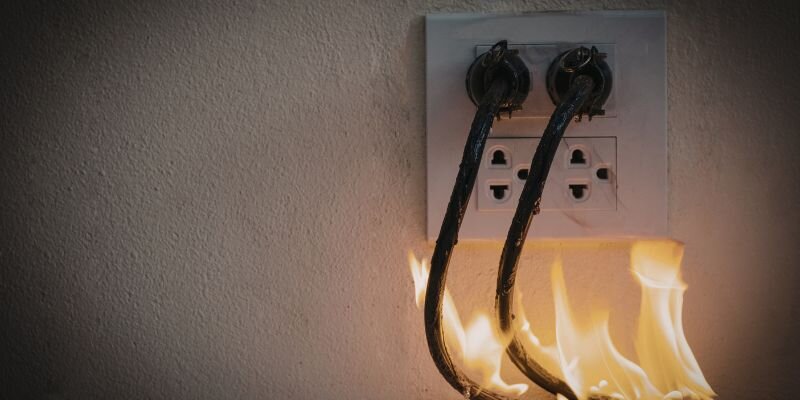
It could be tough to sell your Maryland home if you don’t follow the rules. When things break, owners worry about how much it will cost to fix them. If you know how, you can sell a house that doesn’t follow the rules. This piece tells you what to do to make things better when things get tough. If people know what to do next, they can sell their homes quickly and for the most money. We help them by telling them important things, like what the violations are and how to talk to people who might want to buy their house. If you want to sell your house, learn to turn problems into opportunities.
Key Highlights
- Selling a home with code violations in Maryland requires strategic navigation of legal complexities and buyer negotiations.
- Common code violations include electrical, plumbing, setback, and unapproved structural changes, all of which impact marketability.
- Disclosing code violations is a legal obligation in Maryland and fosters trust in buyer-seller negotiations.
- Sellers deciding whether to fix code violations must consider market expectations and buyer preferences.
- Strategies for selling as-is include targeting cash buyers, appealing to renovation-minded consumers, or enlisting specialized agents.
Understanding Code Violations in Maryland
It could be tough to sell your Maryland home if you don’t follow the rules. It’s important to know how to spot work that isn’t allowed on your land because people break the rules all the time. If buyers are interested, you follow the law, and your home’s value goes up, the sale process may change in big ways. If someone breaks these rules, they need to fix the problems or inform the buyer when they sell the house. If someone wants to buy a house in Maryland more quickly, they should know what a code violation is and how it’s typically corrected.
Common Types of Code Violations
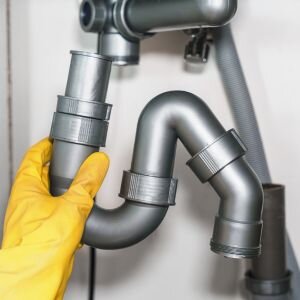
Maryland has a high rate of lawbreaking, which makes it harder for people to sell their homes. Building codes spell out the rules for how water and power should work. It’s also been done to structures that weren’t allowed or didn’t have the right permits, and structures that stick out past the property lines have been built. People might not buy if they don’t feel safe. They might slow down or stop the sale if they aren’t fixed. In Maryland, people who want to sell their home must ensure it complies with all the rules before putting it on the market.
You could get fined if you don’t fix these things. If you don’t, things will get held up. Something like building a deck without a permit could mean that it needs to be cleaned up, which could cost money. If they find the problems early on, they can get trained people to fix them in a way that is legal in their area. It’s better to be honest with buyers about broken rules or to make sure the problems have been fixed. This will help build trust and keep you out of trouble with the law after the sale. Any code problems should be fixed before the house is put on the market. That way, it will stay competitive, the price will go down, and the talks won’t take too long.
Does Your House Have Any Unpermitted Work?
Check whether anyone is working on your Maryland house without your permission. This is an important step in getting it ready to sell. Without first getting permission from the local government, it is against the law to make changes or improvements. This can be done for any size project, from adding a shed to remodeling a kitchen or adding a bathroom. These problems can make buyers and inspectors nervous, potentially reducing the house’s value and delaying the sale. You have to look at past changes, permit records, and sometimes a full home inspection to find hidden problems that weren’t allowed.
Some ways for people who own their own homes to fix these problems are to get permits for work that has already been done or to hire skilled professionals to make the work up to code. You can avoid these issues by addressing them right away. This will be useful for checks, reviews, and the selling process. People will believe you more if you’re honest about the work you can’t do. This makes it easier to talk to them. If someone wants to buy a house in Maryland, they can reduce their legal risks, avoid delays, and increase their chances of a smooth sale by planning ahead.
Legal Considerations for Selling a House with Code Violations
In Maryland, someone who wants to sell a house that doesn’t comply with building codes could face legal trouble. Most of the time, these issues arise because people need to share details and may break the law by failing to comply with local building regulations. Find out whether the landlord is legally required to fix these issues before the sale. This is what will make sure everything goes well. Being aware of these legal issues will help people who want to sell their house. They’ll know how to calm buyers’ fears and pick the right things to fix or change about the house.
Do Sellers Need to Disclose Code Violations to Buyers?
Not only is it the right thing to do in Maryland when selling a house to a potential buyer, but it is also the law. Maryland law requires owners to provide a full disclosure statement about the property. In this sentence, the seller should list all known code violations. Under this rule, buyers should not have to worry about legal issues or unexpected bills. If problems are found after the sale, owners could be sued, or the sale could be thrown out if they didn’t make any violations clear. Everything needs to be clear and open for the sale to stay honest. Being honest and open with buyers helps them make better choices. If you break the rules and are caught, telling the truth can help you get what you want.
People who are selling their homes might show violations and any plans they have to fix them right away. This can make buyers less likely to trust them. Potential buyers will feel more confident about buying if you show proof that you are working to fix violations. For example, repair costs or permits for planned work are good examples. Making everyone aware of known code violations can also keep the selling process from getting stuck or ending too late. Fixed-up and building tasks can be discussed so the buyer can choose to do them after they buy the house. If you use this method, prices are less likely to change after the sale if you learn something new. No one has to deal with any extra costs or problems this way.
Being open and honest is not only the right thing to do, but it’s also good business in Maryland and can help deals go more quickly, easily, and with less trouble. People who buy something are less likely to get into legal trouble after the sale if they do what they are meant to do. If people know how bad a house is before they buy it, they are less likely to whine about it. When people complain, it can hurt their image and cost them money. You can use a story about full disclosure about code violations as part of your sales pitch. This can help make negotiations easier, ensure all legal requirements are met, and ultimately lead to a successful, peaceful close.
Does the Homeowner Need to Fix Code Violations to Sell?
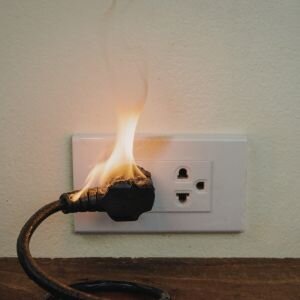
People in Maryland who want to buy a house sometimes ask the owner if there are any code issues that need to be fixed first. You don’t have to fix up your house before you sell it, but it can look better, be worth more, and get more serious buyers. Most of the time, the seriousness of the violation, the cost to fix, and the need to make a quick decision are what drive them. People might not want to buy or check it out if the building or safety is very bad. You should fix things so the deal goes more easily and you know what to expect.
You can still sell a house as-is if you need to close fast or don’t want to pay for repairs right away. People who want to buy something can either ask for less money or take out a loan they can pay back later. This way could keep the house on the market longer or get fewer offers, but it could also attract buyers or people who want to fix it up. It is right to let everyone know about any violations found. This will help people trust you and keep you out of trouble with the law. Lastly, sellers should carefully consider what the buyer wants, how much it will cost to fix the problem, and the current market conditions. This will help them choose the best strategy that balances risk, return, and ease of use.
Impact of Code Violations on Selling Your Home
It could be harder to sell your home in Maryland if you break the law. A lot of people may or may not want to buy the house. Its worth may also change. Whether buyers break the rules in small or big ways, they can make good plans if they know these effects. It’s not always easy to find a lawyer, check them out, and give them a score when they break the law. This could make it worth less on the market. They could fix these issues or just sell the house as is. These issues should not be present in your home if you wish to sell it, even if they are code issues.
How Do Code Violations Affect Appraisals and Inspections?
An evaluation and an appraisal are two important steps to take when you want to sell your home in Maryland. Both can go wrong in many ways. Sometimes, checkers will consider how risky something is and how much it will cost to fix if the rules are broken. The house isn’t as useful now. People may have a harder time getting loans or getting the price they want for their things. You might not be able to build the house if the rules in your area say it is unsafe. It also might not sell.
It might not be possible to make a deal because of things that need to be fixed behind the scenes. For a deal to go through, the price has to drop sometimes. People can decide not to do something, or even give it up, if they think it is too hard or dangerous. Things like these might not happen if you fix any violations before you put your house on the market. But this could also help you deal better and give a more accurate quote. People in Maryland who want to sell their home can work with licensed professionals to fix problems fast and build trust with buyers. This will also protect the home’s value and increase its chances of selling.
Can Code Violations Reduce Your Buyer Pool in Maryland?
If people in Maryland see that a house breaks the rules, they might not want to buy it as much. People worry about the law, their own safety, and how much it will cost to fix things in the future because of it. They don’t want to buy homes that need work or that might get them in trouble with the state. People buying their first home should give this serious thought. It turns people off to live in a building or energy system that isn’t safe or sound. This is because it makes life less safe and easier. For sellers who want the deal to go through quickly and easily, homes that don’t meet building codes may take longer to sell and get good offers.
It can also be hard to get money because some lenders won’t lend to homes with known violations. Now, people are even less likely to buy. But most buyers prefer to wait for prices to drop before buying. This way, they can afford to fix things. You can still sell, even if you get less money. This is more likely to happen if the sellers fix small problems, are honest about bigger problems, and make it clear how they plan to fix them. You don’t have to follow the rules to sell your house in Maryland. People are still going to buy from you. Make plans ahead of time.
Strategies for Selling a House As-Is
In Maryland, it might seem hard to sell a house “as is,” especially if it doesn’t follow the rules. But there are better ways to do it. If you don’t fix up your house first, people will be more likely to buy it faster. Rich people may be interested in this method because it increases their likelihood of buying homes that need work. People who want to sell their house but don’t want to deal with the rules should consider all their options. People who own things could, for instance, offer fair cash or talk to buyers right away.
Three Options to Consider When Selling As-Is
People in Maryland usually have three main choices when they want to sell their house “as is,” especially if it has code issues. One way to sell is to investors or cash home buyers in Maryland, who usually buy homes quickly and don’t care as much about violations because they can pay to fix things. This way is faster and easier, doesn’t cause funding delays, and requires fewer inspections or contingencies. This makes it perfect for sellers who need to sell quickly or don’t have much money for repairs. You could also put the house on the market as-is and look for buyers who are ready to make repairs. These buyers are usually looking for cheaper homes that they can fix up or invest in. Being honest about code violations and repair figures can help build trust and get more serious offers.
Third, work with real estate agents who specialize in “as-is” sales. They can help you with price, marketing, and negotiations, and they’ll make sure you follow all local rules. They can also help position the property so its strengths are highlighted rather than its weaknesses. There are pros and cons to each choice. It’s faster and easier to sell to cash buyers, but the offers may be lower. On the other hand, it might be more profitable to put it on the open market, but it usually takes more time and work. Getting help from professionals can help you find a good mix between cost and speed. In the end, sellers should consider their financial goals, timeline, and the condition of their home to determine the best way to sell and get the most money, even if there are code violations.
FAQs:
Can you sell a house in Maryland with code violations?
Yes, selling a house with code violations in Maryland is possible. By using strategic approaches such as targeting renovation-minded buyers or cash investors, sellers can navigate code issues effectively and complete the sale process.
What are common types of code violations in Maryland?
Common code violations include electrical and plumbing issues, setback violations, and unapproved structural changes. These violations can impact a home’s marketability and may require addressing for a successful sale.
Is disclosing code violations legally required in Maryland?
Yes, sellers in Maryland are legally required to disclose known code violations. Full disclosure helps maintain good faith with buyers and avoids potential legal issues post-sale.
Should you fix code violations before selling your home?
Fixing code violations before selling can enhance a home’s marketability and value. However, whether to fix these depends on market conditions, buyer expectations, and the severity of the violations.
What strategies can be employed to sell a house as-is?
Sellers can target cash buyers and renovation-minded consumers, disclose known issues transparently, and leverage specialized real estate sales professionals to navigate as-is transactions successfully.
Helpful Maryland Blog Articles
- Selling A Probate House In Maryland
- How to Sell a House with a Squatter in Maryland
- How to Avoid Closing Costs in Maryland
- Sell a House That Failed Inspection in Maryland
- Sell House and Rent Back Option in Maryland
- Do I Need to Paint My House in Maryland to Sell It?
- Selling a House With Unpermitted Work in Maryland
- How to Sell Distressed Property in Maryland
- FSBO Costs in Maryland