![How to Sell Property With a Squatter in [market_city]](https://image-cdn.carrot.com/eyJidWNrZXQiOiJwcm9kdWN0aW9uLmNhcnJvdC11cGxvYWRzLm9uY2Fycm90LmNvbSIsImtleSI6InVwbG9hZHMvc2l0ZXMvMTIzMzMvMjAyNS8xMi9Ib3ctdG8tU2VsbC1Qcm9wZXJ0eS1XaXRoLWEtU3F1YXR0ZXIucG5nIiwiZWRpdHMiOnsicmVzaXplIjp7IndpZHRoIjoxMTUyfSwidG9Gb3JtYXQiOiJ3ZWJwIiwid2VicCI6eyJxdWFsaXR5Ijo3MH19fQ==)


Selling a house with a squatter in Maryland can be overwhelming, but Direct MD Cash Buyers offers clear guidance to help you understand your options and move forward with confidence.
Understanding the Challenge of Selling with a Squatter in Maryland
If you have squatters in Maryland, it can be hard to sell your house because it can be stressful and take longer. These people live on property without permission, which makes it harder for property owners to find their way around Maryland’s real estate market. It is very important to know the details of illegal occupancy, unjust detainer issues, and the effects of adverse possession. When property owners know about these problems, they may come up with good ways to deal with squatters and sell their homes without any trouble.
What is a Squatter in Maryland?
Maryland Squatting – The act of taking occupancy of property without permission. Illegal occupancy can be a bane to the plans of a property owner, namely, to sell. Squatters frequently take advantage of adverse possession , a law that gives them legal rights to a property after a set amount of time . It takes a while to go through the legal process in Maryland. Maryland squatters have legal loopholes to exploit, so property owners need to know their rights. The property owner may file a wrongful detainer action against the squatters to recover the property. This could damage sales and damage property marketing. In Maryland, property owners need solid documentation of illegal occupancy to make their case in court.
Disputes of this type are about adverse possession. In some cases, Maryland squatters must meet certain requirements over time before they can make a claim. The sooner property owners identify squatters and act, the better. Property owners worried about squatters should seek legal advice to make sure their rights are protected. Knowing these dynamics protects your Maryland property and makes selling simple.
Common Issues Faced by Maryland Property Owners
Squatters in Maryland typically make it difficult for homeowners to sell their homes. It’s a big problem not being able to check or take care of the property. Squatters may damage the property or block access, potentially lowering its value. This leaves the property owner vulnerable, so they should plan ahead to address unauthorized occupancy as soon as possible. Learning the laws of adverse possession and unlawful detainer actions can help the property owner better deal with these problems.
Squatters can also make it difficult for the owner to pay their property taxes and utility bills. This could increase the value of the property . Eviction / wrongful detainer legal fees. In selling, owners need to account for these costs to prepare for legal issues. These worries disappear when you know how to speak to the authorities and know the property laws in Maryland.
Property owners need to plan for squatters before they can sell. This may include improving the security of the property, recording any suspicious activity, and hiring an attorney to battle against adverse possession claims. Property laws in Maryland and squatters’ rights are ever-changing. Stay up-to-date to protect your investment. The sooner these issues are corrected, the better for your investment and the easier it will be to sell your Maryland property.
Sell your home for cash in Maryland, fair and straightforward.
Legal Aspects of Squatter Claims in Maryland

People in Maryland who want to sell their home face a unique problem: squatters. If property owners know how the law works when it comes to adverse ownership, they can handle these problems more effectively. Maryland law spells out specific situations in which a squatter can claim rights to a property, which could affect its sale. Property owners won’t be caught off guard if they know about adverse possession rules, quiet title actions, and other possible legal steps. This part will go into detail about Maryland’s possession rules, how to deal with a squatter claim, and how these things affect the sale of property.
Understanding Adverse Possession Laws in Maryland
Maryland’s adverse possession laws permit slow title acquisition, which could result in claims of illegal occupancy. Property owners should know the law to bring a claim of adverse possession. First, the claimant must show that he or she has been in open, notorious, exclusive, adverse, and continuous possession of the property for twenty years. To perfect possession, the adverse possessor must possess the land openly, continuously for twenty years, without the permission of the owner, and without interruption. Maryland courts will not recognize a claim unless the following requirements are met:
The primary purpose of quiet title actions is to challenge such claims, determine ownership, and resolve disputes over property. Maryland property law can resolve land ownership disputes quickly, and this can help reduce the adverse possession claim of a squatter. Property owners need to keep good records of any squatters who have been on their property to protect themselves. Lawyers can use this method to analyze the facts and reduce the risk of missing legitimate claims.
Know Maryland’s property possession laws to guard your property. Property managers are encouraged to review their security measures and increase security to prevent unpermitted occupancy. Paying property taxes may be relevant to squatting claims, but it is not conclusive proof of ownership. Close monitoring of these factors is necessary to keep investment flowing and speed up the disposal of property.
How Adverse Claims Affect Your Sale in Maryland
Maryland’s adverse possession laws can also delay or make it difficult to sell a property if squatters claim ownership. It is important to understand the impact these statements have on sales. The title to the property is often an issue with squatter claims and can be a red flag in any real estate transaction. You need a title. Without a title, it can be hard to transfer ownership, and that can scare off buyers who fear legal issues or ownership disputes.
Judicial action is required in the quiet title action that arises from an adverse possession claim. While these legal disputes are necessary to establish property ownership, they can be time-consuming and expensive. Property owners are under a lot of stress and financial pressure. Unresolved disputes can delay the sale process, and the property can be removed from the market, which can reduce the market value.
Under Maryland law, adverse possession requires the seller to provide complete records and proof of continuous ownership and proof of efforts to prevent any unauthorized occupancy. Preparation can include: collection of photographs, keeping of dated records of maintenance, and collection of testimony concerning any illegal use. Property owners should be aware that prospective buyers may want title insurance or squatters’ rights guarantees in order to establish the title to the property. Selling a property is easier when you deal with these conflicts before they arise, and the property remains attractive and valuable. If you want to sell your property in such difficult circumstances, you should take advice from the experts in Maryland property law.
At Direct MD Cash Buyers, we buy houses in Annapolis and other cities, helping homeowners sell quickly and with confidence.
Steps to Address Squatters for a Successful Sale in Maryland
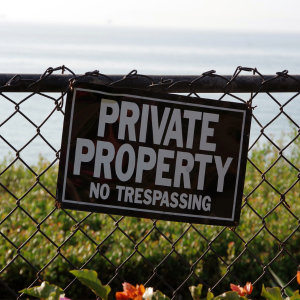
Successfully selling a Maryland property encumbered by squatters necessitates a strategic approach and a focus on legal remedies. This process entails developing an eviction strategy to recover possession and meticulously documenting any assertions made by the occupants. These measures ensure that property proprietors resolve any conflicts legally and efficiently, thereby facilitating a successful real estate transaction. The process encompasses not only comprehending legal entitlements but also executing pragmatic strategies to address claims from unlawful occupants, thereby enhancing the property’s appeal to prospective purchasers.
Developing an Eviction Strategy in Maryland
Squatters in Maryland? Homeowners need a good eviction strategy. Property owners should know the laws of wrongful detainer and adverse possession. The primary importance would be a comprehensive approach to restoring possession without offending the law. Maryland property law professionals can help you understand the eviction process and stay compliant. A wrongful detainer case asks the courts to forcibly remove unlawful occupants.
This is a period for very careful documentation. Owners should maintain accurate records of squatter alerts and contacts. This documentation is helpful for legal claims and expedites proceedings. Better security can discourage further unlawful entry and make the property more marketable. Negotiate a smooth eviction by trying mediation. Be prepared to go to court. Remember that professionalism and legality during the eviction process impress potential buyers.
Maryland residents need to get these squatters out ASAP, or it will cause problems with the transaction later on. “Speed is good, but you have to think about legality and thoroughness,” said A good eviction plan is a guarantee of a successful sale and a legal, free real estate transaction.
How to Document and Resolve a Squatter Claim in Maryland
When selling property in Maryland, take steps to avoid squatters and track and settle squatter claims. Good records may win you a squatter dispute, and also help you in court. Gather as much proof as you can to stop people living there without permission. These include pictures, full reports, dates of interaction, and talks with squatters. Having accurate records will make your case stronger in court.
It is also a good idea to get a lawyer who has dealt with cases like yours in the past. If you are a resident of Maryland and want to file a quiet title action, an adverse possession attorney can assist. This lawsuit will clear up any confusion about the title the squatter created by showing that you are the owner of the property. To prevail in a claim of adverse occupancy, a squatter must prove, among other things, continuous, notorious, and exclusive possession. Lawyers can help you prepare.
Property owners should also tell squatters and buyers what rights they have as owners. That means keeping papers proving property ownership safe and accessible. Title insurance protections further enhance the buyer’s assurance of the property title.
Quick and effective resolution of squatter claims is effective in avoiding delays in sales. If you are involved in property disputes, follow Maryland’s property standards to keep your property marketable and reduce your stress. Take proactive steps to solve current squatter problems and avoid future squatter problems. “Do things the right way, and you can easily transition from squatter to buyer. “Good management keeps your property’s value and appeal high in Maryland’s competitive real estate market.”
Ready to sell your property? Our process is quick, straightforward, and fair. Contact Us at Direct MD Cash Buyers.
Preventative Measures for Maryland Homeowners
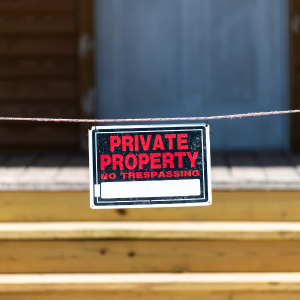
When talking about squatters in Maryland, homeowners need to be careful and take action when it comes to managing their property. Using preventative measures can greatly lower the danger of unauthorized occupancy, which will protect your Maryland property. Property owners may protect their investments by focusing on improving security, keeping up with maintenance, and recognizing their legal options. These steps not only keep squatters from claiming adverse possession in the future, but they also make it easier to sell your house in the Maryland real estate market.
Protecting Against Future Squatters in Maryland
To keep squatters out of your Maryland home, you need to be ready for anything that can happen, keep an eye on your property all the time, and be safe. Homeowners should put in high-quality security systems like alarms and cameras to keep squatters away. Visible security stops people from taking things they don’t own. Regular checks on your home can also keep squatters away. This presence keeps unwanted squatters away and lets you know how the property is doing, which makes it easy to do repairs and upkeep quickly.
It’s important to know the law and be ready for anything. To avoid legal problems, homeowners in Maryland should learn about adverse possession. Property owners can swiftly find and deal with squatter allegations if they know these laws. Keeping in touch with local officials and other property owners can also help keep your property safe. People who live in the area keep an eye on community safety all the time; thus, neighborhood watch groups and community initiatives can make things safer.
Also, paperwork can help stop squatters from making claims. Deeds and tax payments must be up to date and safe for homeowners. Lease agreements should be clear and well-documented so that squatters can’t take advantage of misunderstandings. Keeping organized records—including Essential Documents for Selling House by Owner Paperwork in Baltimore—helps establish clear ownership and protects sellers if disputes arise. In court, pictures and written records of property maintenance and attempted break-ins can help prove ownership.
To keep squatters out of your Maryland house, you need security, legal knowledge, and community support. You can keep your home valuable and keep squatters away by knowing your rights and protecting it. These measures make sure your home is safe and legal so that you may sell it quickly in the competitive Maryland real estate market.
Need to sell your home fast? Avoid costly repairs and stress. Direct MD Cash Buyers makes it easy. We offer fair cash deals and handle everything for you. Call (443) 391-7080 for a no-obligation offer and start your hassle-free sale today!
FAQs:
How Do Squatters Affect the Sale of Homes in Maryland?
It is tougher to sell a house legally and administratively in Maryland if there are squatters living there. Negative possession claims and those who don’t declare their occupancy can slow down negotiations and make things less marketable.
How Does Maryland’s Squatters and Adverse Possession Law Work?
Squatters might claim property rights through adverse possession. In Maryland, squatters must dwell there unlawfully for 20 years before they may claim.
What Should Maryland Property Owners Do if They Have Squatters?
Owners can file for unlawful detainer and quiet title proceedings to get their property back. Evictions and adverse possession need legal help.
How to Keep Squatters Out of Your Maryland Property?
Understanding the law, keeping an eye on the property, and joining neighborhood watch groups can all help keep unlawful tenants away.
Why is It Important to Keep Records of Squatters in Maryland?
Keeping records of squatters protects the title to the property. You need these papers to prove ownership and settle disputes.
Helpful Maryland Blog Articles
- Selling A Probate House In Maryland
- How to Sell a House with a Squatter in Maryland
- How to Avoid Closing Costs in Maryland
- Sell a House That Failed Inspection in Maryland
- Sell House and Rent Back Option in Maryland
- Do I Need to Paint My House in Maryland to Sell It?
- Selling a House With Unpermitted Work in Maryland
- How to Sell Distressed Property in Maryland
- FSBO Costs in Maryland
- How to Sell a House with a Code Violation in Maryland
- Selling Your Maryland Home With A Reverse Mortgage
- Who Gets The House In A Divorce In Maryland
- Who Pays HOA Fees at Closing in Maryland?
- Selling Your Maryland House As-is Without Inspection
- Can An HOA Take Your House In Maryland
- Sell My Flooded House In Maryland Fast And As Is