
Finding out your Maryland property has failed an inspection may seem discouraging. It is important to know it is not the end of your selling journey. Working with Direct MD Cash Buyers can help guide you through the next steps and empower you to tackle the inspection with confidence. There are many options available after making important repairs to address critical concerns or issues that may arise during an inspection. In this guide, we will discuss how to market your home to help turn a failed Maryland inspection into an opportunity. With the right efforts, you can attract buyers and successfully sell your home. Let’s get started.
Understanding What It Means When a Home Inspection Fails in Maryland
Home inspections can be stressful enough, but when your house comes back with a failed report, it can be downright unsettling. It is necessary to understand failed inspections, as they directly affect the sale of your property in Maryland. We will describe the typical reasons why inspections fail, as well as the consequences related to the failure of these assessments. Knowing what happens next when an inspection fails is important, as is understanding what steps you can take to get your house ready for a successful sale.
Reasons Why a Home Inspection Can Fail
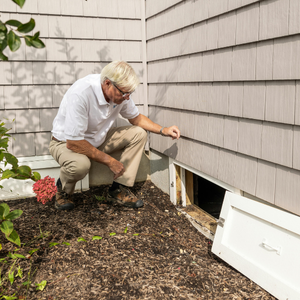
There are numerous reasons that can cause a house to fail an inspection. These reasons are generally centered around the issues pertaining to the house’s structure, safety, or functionality. These issues mostly consist of damage to the roof, such as leaks or missing shingles. These can be combined with electrical issues with the wires or service panels, as well as plumbing issues with low water pressure, old piping, or bad drainage of water. All of these issues can cause a lot of other problems if they are not repaired.
There are also issues with the foundation that can cause inspections to fail. These issues can be with the foundation cracking or there being movement of the foundation itself. These can all signal that there are more severe issues with the way the house is built. Things that can eat away at the house’s structure, such as termites, can also cause inspections to fail. HVAC systems that do not heat or cool also add to the problems of the house. In the state of Maryland, there are moisture problems. These problems can lead to issues with mold that can signal water issues that intrude into the home. These issues can be improved with help, such as a pre-sale evaluation. These can all help sell the house more easily and with a reduced risk for a failed inspection.
Implications of an Inspection Failure
The consequences of a home inspection failure can be far-reaching when it comes to the sale process. It can be a significant obstacle to closing. Buyers want to be certain the home is in good condition, and addressing issues shifts the burden of repair to the seller, forcing them to either repair it or adjust the home’s sales price downward. In Maryland, home listings can attract zero interest, take a long time to sell, and after a long enough period, the average home buyer can assume the home is worth nothing.
The failed inspection means new rounds of negotiations. Home buyers think it’s reasonable to demand either repairs or more adjustments to the price in order to cover the buyer’s costs for repairs. Home sale contracts in Maryland are heavily regulated, and once a seller starts making repairs or adjustments to the inspection issues, they risk losing the contract altogether. From a legal perspective, the seller takes on risks if the inspection issues are not disclosed or if Maryland inspection issues are not addressed completely. Once a seller navigates these complexities, they can ultimately achieve a successful home sale.
Common Issues Found During Home Inspections in Maryland
In Maryland, home inspections reveal problems that lead to sellers having to alter their processes due to home inspection problems. Missed problems can be due to alterations or problems with unearthed materials. For sellers, knowing visible and not obvious problems (defects) with a home is key. Not knowing will lead to an increase in challenges, at which point an inspection will occur. The above-stated home inspection issues will revolve around what needs to be addressed with inspection problems.
Identifying Material Defects
Material defects pose some of the greatest challenges in a home inspection. They directly affect the condition, safety, and marketability of the property. In Maryland, home inspectors focus on these issues, given that they are cause for a ‘Failed Inspection’. This will halt the sale and may force renegotiation. While some defects, such as foundation cracks and roof damage, are readily apparent, there are defects that may go unnoticed until a formal inspection takes place. Hidden wiring issues and plumbing leaks, for instance, will reveal themselves only as costly surprises for the buyers and the sellers.
In these scenarios, sellers may shield themselves from home inspection failures. They may place themselves in a much stronger position in the sale of the home by conducting an inspection themselves and disclosing defects to buyers. Once issues are repaired, sellers may remove concerns about a Failed Inspection. Making the home more desirable will remove concerns from buyers, as the sellers will state that the contracts are in line with Maryland repair codes. This, in addition to removing renegotiation from the table, will offer sellers a more proactive position with fewer material defects. This will create a more favorable environment, a quicker sale, and a more desirable offer for the property.
Spotting Unpermitted Work
If your Maryland home sale is to keep going, addressing specific violations is critical following a Failed Inspection. Document structural, electrical, and plumbing damage with a certified home inspector. Create an action plan to fix the issues, assigning costs and timelines. Correction compliance must be confirmed with licensed contractors.
Repairs done right, along with permits and documentation, can help regain buyer trust after a Failed Inspection. Buyers are relieved when the home is up to code, and when they are informed of the updates, they are more confident in the property. When violations are addressed, congestion in the process is avoided, the listing is fortified, and the likelihood of an expedient closing increases.
| Issue | Description | Impact | Recommended Action |
|---|---|---|---|
| Roofing Problems | Leaks, missing shingles | Water damage, reduced lifespan | Regular maintenance, timely repairs |
| Plumbing Concerns | Leaky pipes, low water pressure | Increased utility bills, water damage | Inspect pipes, fix leaks promptly |
| Electrical Safety | Outdated wiring, insufficient outlets | Fire hazards, inadequate power supply | Upgrade system, ensure compliance |
| HVAC Issues | Inefficient operation, poor airflow | Higher energy costs, reduced comfort | Regular servicing, replace old units |
| Foundation Cracks | Visible fissures, uneven levels | Structural instability, costly repairs | Professional assessment, address promptly |
This table highlights essential strategies for preparing a Maryland property for a successful inspection and sale.
Navigating Property Disclosure Requirements in Maryland
It is especially important to understand post-inspection disclosures when selling a home in Maryland. How you disclose defects in a comprehensive disclosure statement impacts how you will engage with potential buyers. Sellers must meticulously manage the disclosure statement, balancing the act of legal fortification to build buyer confidence and limit the need for re-negotiation to streamline the process. In this case, we will examine the positive consequences of excess disclosure and discuss the impact of legal intention, strategy, and disclosure on the ease of the transaction.
The Importance of a Comprehensive Disclosure Statement in Maryland

Addressing violations of a specific nature is crucial after an inspection failure in order to keep the sale of a home in Maryland from falling through. To identify any code or safety issues involving structural, electrical, or plumbing issues, engage in an inspection with a home inspector. After identifying the issues, draft an action plan with a licensed contractor adhering to Maryland regulations. The plan should include required repairs, costs, and timelines.
Completing repairs correctly and obtaining the necessary permits and documentation helps rebuild buyer confidence after a Failed Inspection. Closing issues and being upfront about the repairs made and how the home was made to balance the code restores buyer’s confidence, compliance, and safety. Sellers’ detention and code compliance remove issues of delay and balance the sale much. Closing issues is compliance and proactive repairs, enhancing the listing.
Steps to Take After a Home Inspection Fails
It can seem like a major roadblock in the journey of selling your home when home inspections fail. However, in the state of Maryland, there are steps to take to help make the journey. Maryland home inspections help step the journey to selling your home. First, address code violations, and decide whether the best course of action is to repair the home or sell the home as is. It is beneficial to sellers and remarkable, repair options to sellers, make is a journey that repair options to sellers, make is a journey that empower sellers to making energy and decisions to repair or improve the residence before there are challenges in presence to assist and the residence before there are challenges in presence to assist and in the selling of a home that attracts a potential buyer.
Addressing Violations to Proceed with Selling in Maryland
Once you receive a failed inspection, it is critical to address the violations to keep your sale on track. Start by hiring a certified home inspector who inspects homes in Maryland to identify the code violations and the safety issues related to the inspection (structural, electrical, or mechanical), if any. After you receive documentation and reports of the issues, create an action plan focusing on the violations with the required repairs, the cost of repairs, and a time frame. For the rest of the action plan, work with fully licensed Maryland contractors to make sure that all the work is Maryland-compliant.
Buyers will need to have repairs done on their house to boost their confidence after a failed inspection. Resting documentation and permits will increase buyers’ confidence and ease concerns about whether the house will pass the inspection and be compliant to be listed on the market. By proactively and professionally addressing violations, sellers are more likely to have a strengthened listing and fewer delays on a more seamless transaction.
Checklist for Addressing Code Violations:
- Consult local professionals for knowledge of compliance with the most recent codes.
- Repair the issues that pose the greatest risk to safety and the structure of the building.
- Collect permits and other relevant documents with care and precision.
- Plan repair work to avoid overlap.
- Request estimates from several contractors in order to evaluate differing prices and repair schedules.
- Maintain communication with potential buyers throughout the process.
Following these steps can transform code violations into opportunities to enhance your property’s marketability.
Repair Choices: Fix or Sell As-Is?
Whether you will make repairs or sell your home after a Failed Inspection is a pivotal decision that affects the outcome of your sale. Addressing a failed inspection can increase the value of your home, increase buyer confidence, and often justify a higher price. This can lead to better offers and quicker sales in Maryland. This option is suitable when the problems are minor and when repairs enhance safety, livability, or make the home more aesthetically pleasing.
Alternatively, there are times when selling as-is after a Failed Inspection can work. This is especially true if the repairs are expensive, time-consuming, or if the work is not going to put a significant amount of money into your pocket. This will work for investors and buyers who want to do the renovations themselves. This also allows the seller to move on more quickly and does not have to incur any immediate expenses, as long as full disclosure is provided. Balancing time constraints, financial goals, and the cost of repairs versus the price that can be charged after repairs will help determine the best options for selling your home in Maryland.
Preparing Your Maryland House for a Successful Sale
Selling your home in Maryland requires attention to detail and methodical planning, and working with a company that buys home in Rockville or in nearby cities can make the process easier and more flexible. It is crucial that your home is ready for inspection, as buyers are often very critical at this stage. In this guide, we will look at the areas buyers are most likely to inspect, as well as other ways to market your home effectively. Understanding these steps can improve your chances of selling successfully and help you attract buyers who are genuinely interested.
Tips for Making Your Home Inspection-Ready in Maryland
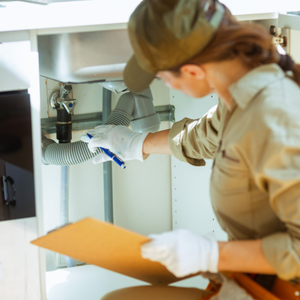
In Maryland, properly preparing your home for inspection to eliminate the chance for a Failed Inspection is critical for a successful sale. Begin with a thorough self-inspection of all of your home, especially the problem areas – roof, electrical, plumbing, and foundation. Repairing leaks, replacing shingles, updating faulty wiring, and addressing structural issues will help you pass inspection and convince buyers to believe in the home.
Fixing water intrusion and ventilation issues will help to eliminate the chance for mold and mildew, which is a common problem in Maryland and can lead to a Failed Inspection. Water intrusion and ventilation issues must be solved prior to a home inspection. In addition to the repairs, honest disclosure will help to build buyer confidence. By addressing both visible and hidden issues, the seller can reduce the risk of a home inspection, help move negotiations along, and expedite the closing process.
A failed inspection in Maryland may prove to be an initial complication in selling your home; however, it can also present an opportunity to improve your property in several ways. Working with cash home buyers in Frederick or in nearby cities gives sellers another path forward, especially when repairs or disclosures are involved. By addressing some of the more manageable issues noted by inspectors, you can enhance the home’s marketability. If you are considering an as-is sale or full disclosure, this approach may attract buyers who appreciate transparency and are open to repair-focused negotiations. By turning inspection concerns into selling points, you increase the likelihood of reaching a successful closing.
FAQs
What are common reasons for a home inspection failure in Maryland?
Some of the more frequent issues concern the roof, electrical system, plumbing, foundation, pests, and HVAC system. Given the Maryland climate, moisture and mold issues are also common.
How does a failed home inspection impact the sale process?
Inspections that do not pass can help push closing dates back, as well as cause the buyers and sellers to need to renegotiate. Sellers might have to fix what the inspection found or sell at a lower price to compensate for the property’s issues, which negatively affects the property’s worth and time on the market.
What steps should be taken to prepare a home for inspection?
Perform a detailed analysis of the property with particular attention to the common areas where inspections fail. Look into issues with the roof, electricity, plumbing, and the foundation. Getting inspections and repairs done prior to sale can improve the property’s marketability.
Is it better to fix issues or sell a home as-is after a failed inspection?
It depends on the market and the problems encountered. Selling as is may bring interest from investors looking to remodel homes and solve problems. On the other hand, fixing problems may improve the attractiveness and market value of the home.
Why is it important to disclose defects in Maryland real estate transactions?
Disclosure builds trust with buyers, and because of Maryland’s laws, buyers will also appreciate the transparency. This trust can lead to fewer renegotiations. If a defect is disclosed, the defect will be managed and will be a lesser problem. This will also help prevent lawsuits.
Need to sell a house that failed inspection? Direct MD Cash Buyers can help you move fast without costly repairs or headaches. We offer fair cash offers, handle all the details, and make the process seamless—even if your home has inspection issues. Ready to sell or have questions? Contact us at (443) 391-7080 for a no-obligation offer and get started today!
Helpful Maryland Blog Articles
- Selling A Probate House In Maryland
- How to Sell a House with a Squatter in Maryland
- How to Avoid Closing Costs in Maryland
- Sell a House That Failed Inspection in Maryland
- Sell House and Rent Back Option in Maryland
- Do I Need to Paint My House in Maryland to Sell It?
- Selling a House With Unpermitted Work in Maryland
- How to Sell Distressed Property in Maryland
- FSBO Costs in Maryland
- How to Sell a House with a Code Violation in Maryland