![Sell a Fire-Damaged House in [market_city]](https://image-cdn.carrot.com/eyJidWNrZXQiOiJwcm9kdWN0aW9uLmNhcnJvdC11cGxvYWRzLm9uY2Fycm90LmNvbSIsImtleSI6InVwbG9hZHMvc2l0ZXMvMTIzMzMvMjAyNi8wOS9TZWxsLWEtRmlyZS1EYW1hZ2VkLUhvdXNlLnBuZyIsImVkaXRzIjp7InJlc2l6ZSI6eyJ3aWR0aCI6MTE1Mn0sInRvRm9ybWF0Ijoid2VicCIsIndlYnAiOnsicXVhbGl0eSI6NzB9fX0=)

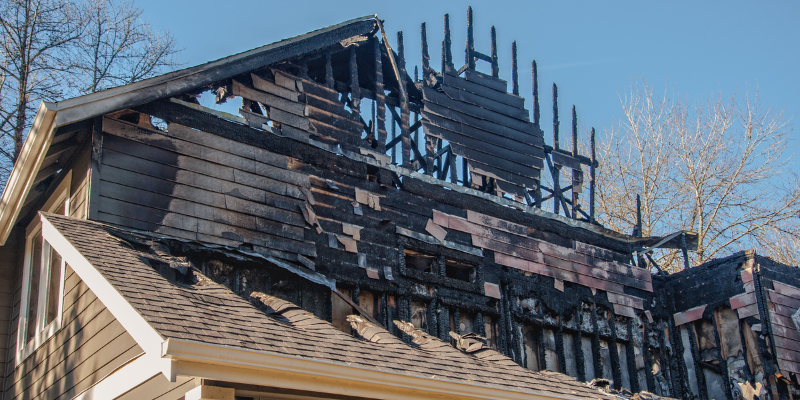
Soot travels farther than flame. A stovetop fire in a Baltimore rowhome can leave the kitchen half gone. The smoke still reaches third-floor closets, the ductwork, and every nail hole in the plaster. That gap between what burned and what smells is where most of these sales fall apart. I’ve walked houses here where the fire department’s report ran two paragraphs, and the restoration estimate ran nine. If you’re selling a fire-damaged house in Maryland, you have more paths forward than the two people usually mention.
Most owners hear the same two suggestions: fix it or list it. Both can be right. Both can also be expensive mistakes, depending on where the fire damage stopped and what your policy actually pays. Nobody mentions that the clock runs either way. Taxes accrue. The mortgage comes due. A vacant house takes on water through a tarp that wasn’t staked properly, and the decision you postpone gets more expensive every month.
So, in order: what makes these houses hard to sell, how to size up your damage, and where the insurance money lands.
Why Is It Hard to Sell a Fire-Damaged House in Maryland?
Price a burned house like a clean one, and it will sit. The listing goes stale, and every buyer who circles back wonders what’s hiding behind the plywood. I’ve watched sellers lose more money to a bad first price than they would have lost taking an early as-is offer.
Financing is the first wall. A regular lender won’t fund a house that can’t pass an appraisal, and government-backed loans are stricter. No working electrical, no roof, no loan. That knocks out most of the buyer pool and leaves you with cash buyers, rehab-loan borrowers, and builders.
Compare that to how the rest of the market moves. Over the three months ending August 2026, Baltimore homes sold for a median of $245,000, up 2.0% year over year, according to Redfin. Time on the market ran about 44 days. Clean houses ride that current. Burned ones don’t.
Maryland’s housing stock adds its own wrinkle. Rowhomes in Canton, Highlandtown, and Pigtown share party walls, so a fire in one unit often means smoke, water, and structural damage in two others. Adjusters from three carriers circle the same block. Older wiring and knob-and-tube remnants in pre-war stock turn a small repair scope into a rewire.
The party wall problem deserves its own warning. A fire next door may need the neighbor’s help to inspect joist pockets, seal the shared brick, or stage scaffolding. If that neighbor is an absentee landlord or an estate, your repair timeline is hostage to someone with no reason to hurry. I’ve seen a rehab budget sit frozen for a season because the owner next door wouldn’t return a call.
City and county code officers move fast after a fire. Boarding requirements, unsafe structure notices, and a vacant building notice can land in your mailbox within weeks, and a citation doesn’t disappear when you sell. Unpaid city charges tend to attach to the property, and the title company will find them during the search. If a notice was posted, ask what abatement looks like. The fix may be a proper board-up and a fee, or an inspection that nobody can schedule until the structure is safe to enter. Get that answer before you’re at a settlement table.
A vacant house drags on its own. An empty, burned rowhome is a target for copper theft, scrapping, and squatters, and each of those adds a new line to the repair scope. Check your policy’s vacancy language too. Coverage often changes once a house sits empty, and a second loss the carrier turns down is a bad surprise.
Then there’s buyer psychology, which is no small thing. Listing photos of a charred kitchen get passed around the neighborhood, and the house becomes “the fire house” on the block. Buyers read each price reduction as desperation rather than correction. Any buyer who eventually wants a mortgage needs insurance of their own, and carriers pull loss history first.
There’s also the claim itself. When an insurance company has an open file, and your mortgage servicer is holding proceeds, a buyer’s attorney starts asking who gets what at closing. That question alone has stalled more closings than smoke odor ever did.
A burned house doesn’t have to sit on the market for months. You can sell it as-is and be done with the code notices, the vacancy risk, and the open claim. Here’s how Direct MD Cash Buyers can help.
How Bad Is the Fire Damage to Your Maryland House?
Is this a cleanup or a rebuild? You can’t price anything until you know which side you’re on.
Handle the first week properly, because those decisions shape every number that follows. Request the fire department’s report and note the stated cause, since one still under review can slow a claim. Photograph and film everything before a crew touches anything, closets and ceilings included. Don’t throw out damaged contents until the adjuster has seen them or released you. Secure the openings, tarp the roof, and if cold weather is coming, drain the water lines. A frozen pipe on top of fire damage is a self-inflicted wound.
Light damage means the fire stayed in one room, and the rest of the house was damaged by smoke and soot. Cabinets, drywall, flooring, and a serious odor job. Restoration contractors price this work per square foot, and Angi’s 2026 cost data puts the range at $4 to $7 per square foot, averaging near $5.50. Moderate damage pulls in framing, wiring, and mechanical systems. Total loss means the structure comes down, and you’re selling a lot with a foundation on it.
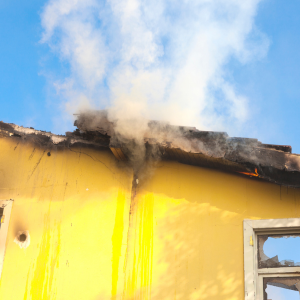
Structure is the part most owners guess at and shouldn’t. Char depth on a joist tells you whether it can be sistered or has to come out. Brick heated hard enough to spall won’t hold fasteners the way it used to. Steel lintels over front windows can sag. Where a rowhome’s floor joists sit in pockets in the party wall, fire and water can destroy the bearing with little to see from below. If any framing is charred, pay for a structural engineer’s letter. It costs a fraction of the repair and turns a buyer’s worst-case guess into a known quantity.
Water is the line item people forget. Suppression hoses dump hundreds of gallons into a house in minutes, and wet cavities grow mold in a day or two. I’ve opened walls three weeks after a small kitchen fire and found more mold remediation than fire repair. Plenty of what follows overlaps with what it takes to sell a house with water damage in Maryland, since the cleanup and the disclosures run on the same track.
Smoke gets into places nobody quotes on the first pass. Ductwork, attic insulation, subfloor, and the back of the electrical panel. A crew can clean what they see, but odor lives in porous material, and if the insulation stays, the smell returns on the first humid day in July. Any honest scope includes pulling and replacing it.
Be skeptical of odor fixes that don’t remove material. Fogging, ozone, and hydroxyl treatments have their place at the end of a restoration job, once the porous stuff is gone and the framing is sealed. As a substitute for demolition, they buy a few weeks of clean air, then the smell returns right around the buyer’s final walkthrough. Any buyer who’s done this will step into a closet, close the door, and wait.
Get a written restoration assessment before you talk price with anyone. A licensed contractor or a public adjuster will walk the house and put numbers on paper, and two estimates beat one. A usable estimate is line-itemed rather than a lump sum, spelling out demolition, debris hauling, permits, the electrical scope, and the odor plan. Verify the contractor’s Maryland Home Improvement Commission license and ask for addresses of nearby fire jobs, not general remodels. That estimate becomes your leverage whether you sell to a builder in Dundalk or argue with your carrier.
One caution on the restoration companies that show up unsolicited after a fire. Some will ask you to sign a direction-to-pay or an assignment of benefits before they’ve scoped anything. Read whatever they hand you. Don’t sign away control of your claim for a tarp and a board-up. A public adjuster is different. That one works for you rather than the carrier and takes a percentage of the settlement, which, on a disputed scope, can be money well spent.
If the numbers on that estimate are more than you want to spend, selling as-is is still on the table. Contact Direct MD Cash Buyers before you commit to the repairs.
Your Three Real Options
Repair, then list. You front the money, manage the contractors, and sell a finished house at market price. This works when damage is light, your insurance payout is solid, and you have four to eight months of patience. It fails when the scope grows mid-project, which it usually does on rowhomes with shared walls.
People underestimate how much the sequence matters. Permits before demo, a signed contract with a draw schedule tied to completed phases, inspections at rough-in and final, then photographs and a listing. Pay a contractor ahead of the work, and you’ve lost your leverage. Watch the ceiling on your own block. Spending past the finish level of the comps won’t be supported, so you eat the difference at appraisal.
List it as-is with an agent. Legal, common, and slow. You’ll get investor offers and a few retail buyers with renovation loans. Expect price reductions, appraisal problems, and a stack of inspection addenda. Plan on carrying taxes, utilities, and vacant-property insurance the whole time, and vacant coverage in Baltimore isn’t cheap.
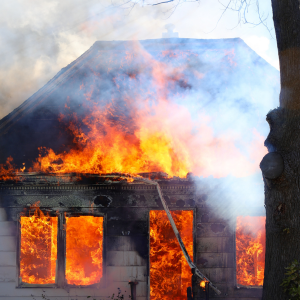
Hire an agent who has actually sold distressed property in your submarket, and ask what those homes settled at, not what they listed at. Price to the as-is market from day one. Require proof of funds with every offer, keep inspection periods short, and read the contract for assignment language. A wholesaler who ties up your house and then shops it will come back asking for a reduction. Manage showings closely: hard hats, nobody wandering alone.
Sell direct to a cash buyer. No repairs, no showings, no lender. You take a discount in exchange for speed and certainty. For heirs, out-of-state owners, or anyone with a mortgage servicer sitting on claim funds, this is often the only path that closes without a fight. Owners in Baltimore County have the same route, so you can sell your Catonsville home fast, exactly as it is, with no repairs and no cleanout.
Vet these buyers the way you’d vet a contractor. Ask how many fire-damaged properties in Maryland they’ve closed, which title company they use, and whether they’ll buy with the claim still open. Ask whether they plan to assign the contract or close in their own name. Get the closing date in writing. A buyer who walks the house, makes one offer, and holds it beats one who offers high and then comes back for a cut. Compare net proceeds, not headline numbers.
The type of buyer who wants your house depends on the damage. A rehabber wants something they can take to the top of the block, while a landlord wants a lighter scope. If the structure is gone, the buyer may be a builder or the neighbor who wants the lot. Their numbers won’t be near each other, and that gap is information. There’s no single right answer, only the one that fits your timeline and your cash position.
Handling the Insurance Claim While You Sell a Fire-Damaged House
Your claim and your sale are two separate transactions that touch at closing. Keep them straight.
Learn which kind of policy you have, because it changes your math. Replacement cost coverage usually pays actual cash value first, holding back the depreciation until repairs are done and proven. Sell the house without doing the work, and that held-back money usually stays with the carrier. If you’re leaning toward an as-is sale, ask your adjuster in writing what the settlement looks like if repairs never happen. Ask about ordinance-or-law coverage too. Bringing old wiring and framing up to current code is often what puts a rowhome rebuild out of reach. Coverage keeps shifting right up to settlement, and our guide to homeowners insurance when selling a house in Maryland walks through what happens to the policy at closing.
If you have a mortgage, the servicer is usually named on the check and releases funds in draws as repairs get inspected. Selling before repairs are done means the payout gets sorted out at settlement. Call your loss draft department early, ask exactly what’s in the account, and get it in writing. Title companies will want that letter.
Expect that department to be slow. Keep a claim binder, paper or digital, with every estimate, photo, invoice, and letter in it, and log each call with the date and what they committed to. When a settlement stalls three weeks before closing, that log gets it moving. Don’t stop paying the mortgage, meanwhile. A fire loss doesn’t pause the note, and a missed payment on top of fire damage turns a simple sale into a payoff fight.
You can typically keep the personal property portion of your claim and still sell the house. Dwelling proceeds are the piece that follows the property or gets negotiated into the sale. Some buyers will pay more and let you assign the claim. Others want a lower price and no claim strings. Ask which a buyer prefers before you sign anything. I’ve seen closings stall when this isn’t settled early.
If you do assign, get the mechanics in the contract rather than on a handshake. Who signs the carrier’s paperwork, who pursues supplements if the buyer opens a wall and finds more damage, and whether the price adjusts if the carrier pays less than projected. Assignments need cooperation from the carrier and the servicer, so start those calls the day you go under contract.
Don’t cash a final settlement check while you’re still negotiating scope. Once a carrier closes the file, reopening it for supplemental damage takes months.
If you’d rather not wait on a loss draft department that moves at its own pace, selling as-is is still an option. Investor home buyers in Maryland can close without repairs.
Pricing a Fire-Damaged Home in Maryland
Start with the after-repair value. Pull recent sold comps in your neighborhood, not citywide averages, because a renovated rowhome in Canton and one in Park Heights are different planets. Then subtract the full repair budget plus a cushion. Then subtract the profit a buyer needs to take on the risk.
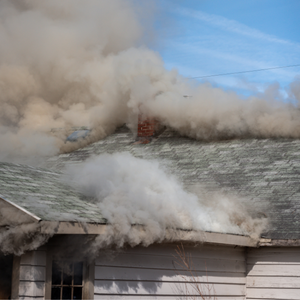
Be disciplined about the comps. Sold, not listed. Same block or the next one over, similar square footage and finish level. Drive them if you can. Online home value estimates are useless here, since they’re modeling a house that no longer exists. Then account for costs that never show up in a contractor’s offer: taxes and utilities during the rehab, insurance on a vacant structure, and permit fees.
That math explains where as-is offers land. A buyer who spends $90,000 on a rehab is taking on permit delays, material costs, and the chance that opening a wall reveals another $20,000. Their number reflects the unknowns.
The most useful thing you can do is shrink those unknowns. An engineer’s letter, a mold assessment, a clear permit history, and a clean title search all narrow the range a buyer has to price for. Gather offers within the same week, and ask each buyer to explain their number. The ones who can’t are guessing.
The buyers worth your time can explain how they got to their number. A company that buys homes in Baltimore and nearby Maryland cities should be able to show you the math.
Disclosure Rules You Can’t Skip
Maryland sellers choose between disclosure and disclaimer on the state’s Residential Property Disclosure and Disclaimer Statement. The disclaimer route is not a hiding place. Even there, you have to disclose known latent defects: a material defect a buyer wouldn’t catch on a careful visual inspection that poses a direct threat to health or safety. Hidden structural damage and buried mold sit squarely in that group.
Selling as-is means you’re not promising condition. It doesn’t mean you can stay quiet about what you know. If you’re unsure whether something rises to that level, disclose it. The cost of over-disclosing is a conversation. The cost of under-disclosing is a lawsuit after you’ve spent the proceeds.
Build the packet once and attach it to the contract. Fire report, adjuster’s scope, contractor estimates, receipts for finished work, permits with final sign-offs, and mold clearance if you had cleanup done. If repairs were made without permits, say so. Older homes can also hide lead paint and asbestos, and both change how a demolition crew prices the job, so any testing belongs in there. Being upfront kills fewer closings than a surprise found during a buyer’s inspection. Keep your own copies.
Frequently Asked Questions
Can I sell a fire-damaged house in Maryland without making any repairs?
Yes. As-is sales are legal statewide as long as you disclose the damage honestly. Cash buyers, renovation-loan borrowers, and builders buy in this condition regularly. Conventional and FHA financing is where it gets difficult, since lenders require habitable systems and an intact roof.
Do I have to tell buyers about a fire that happened years ago?
If the damage or its repair is a material fact about the property’s condition, disclose it. Fire history shows up in permit records, insurance databases, and the fire department report, anyway. Raising it first removes a bargaining point later.
Who gets the insurance money when the house sells?
It depends on your mortgage status and how the sale is structured. With a loan, the servicer usually controls dwelling proceeds, which get reconciled at settlement. Free and clear, the funds are yours, though a buyer may ask you to assign the claim for a higher price.
How long does a cash sale take on a fire-damaged property?
Usually, one to three weeks once the title work is clean. Open code violations, unpaid taxes, estate issues, or multiple heirs can extend that. The fire itself is rarely what slows down closing.
Is it worth repairing before I list?
Sometimes. If the fire stayed in one room, your payout covers the scope, and you can manage contractors for a few months, repairing usually nets more. Once the scope touches framing, wiring, or shared walls, the budget tends to run past the payoff.
Talk to Us Before You Decide
If you own a fire-damaged house in Baltimore or anywhere in Maryland and you’re not sure which path makes sense, it’s worth a conversation before you commit. No pressure, no obligation to sell. Tell us what happened and what you’re facing, and Direct MD Cash Buyers will give you a straight read on your options, even if the answer is to list it with an agent. You can take what we tell you and sit on it.
Helpful Maryland Blog Articles