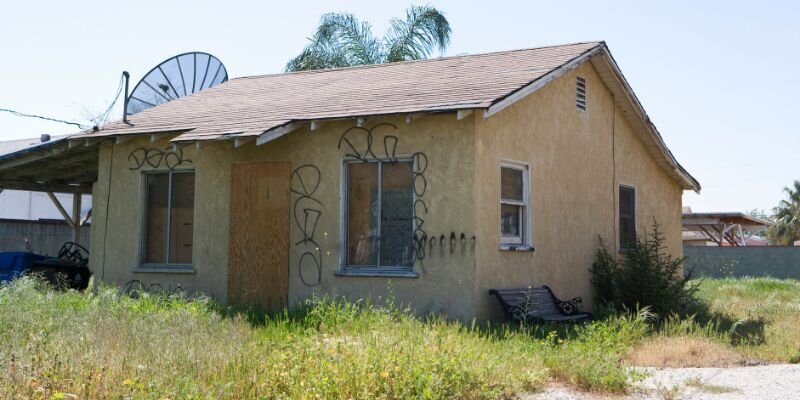
Selling a house with unpermitted work in Maryland can be tricky, but Direct MD Cash Buyers guides you through the process. From understanding disclosure requirements to managing potential risks, ensure a smooth and legally sound sale.
Understanding Unpermitted Work and Its Implications
Unpermitted work can greatly lower the value and marketability of your Maryland house. Both buyers and sellers need to understand the problems that can come up when unpermitted renovations occur, which is typically the case when people don’t follow local building codes. To get around Maryland real estate, you need to know what these things mean, since they affect the value of homes and draw in certain buyers. You can better handle future debts, inspections, and decisions on whether to fix, rent, or sell a home as-is if you know this.
Impact of Unpermitted Work on Your Maryland Home
Unpermitted work can significantly lower your Maryland home’s value and appeal to purchasers. Residential unpermitted renovations may not fulfill safety and quality standards. Thus, buyers often question the work’s integrity and compliance, causing homeowners concern.
In Maryland, sellers may not go through with unpermitted work if they are worried about safety or don’t know how much it will cost to bring it up to code. Checks for unpermitted work could also slow down sales. Lenders may not give loans if the house doesn’t meet local building codes, which turns away buyers.
Selling with these facts allows you to proactively resolve potential liabilities and ensure the property meets housing standards, boosting buyer confidence. These elements can be strategically managed to reduce market disruptions and streamline sales.
Consequences for Sellers and Buyers
The impact of unpermitted work on the buying and selling of real estate is significant. For sellers, unpermitted works can lead to potential liabilities down the line and may cause delays in the sale process. Discrepancies during buyer inspections may lead to price adjustments or requests for repairs from buyers. Sellers must decide whether to buy retroactive permissions or improve compliance with local laws to reduce risks.
Inheritance issues like unreported faults or compliance expenses worry buyers. Buyers may seriously question the home’s safety and compliance due to unpermitted work. However, an unpermitted building might cause buyers to walk away or demand large price concessions.
Grasping these matters enhances the decision-making process for both parties involved. Be transparent about any unpermitted work to prospective buyers, allowing them to make informed decisions regarding the property. Addressing these matters early on can assist both buyers and sellers in maneuvering through Maryland’s real estate landscape.
Thinking of selling? Sell your home for cash in Maryland with a hassle-free offer.
Navigating Local Building Codes and Permits

To fix work that isn’t allowed on your property, you need to know how to use Maryland’s building rules and permits. Being able to sell your home more easily will depend on how well you understand the permit process and how important it is to follow all the rules. Following local building rules is very important, and this part goes over the steps needed to get a building permit for work that doesn’t have one. Selling a house is easier if the buyers know these basic things about code enforcement, plan reviews, and inspections.
Securing a Building Permit for Unpermitted Work in Maryland
To get a Maryland building permit for unpermitted work, you must know local building standards and regulations. To fulfill Maryland’s high safety and quality standards, the permit procedure begins with a thorough plan review and code review. Unpermitted renovations need this step to address structural integrity and compliance.
Inspections to ensure safety and legality are heavily regulated by code enforcement bodies. Retroactive permits are needed to legalize unpermitted activities and reduce future liability. Managing unpermitted development can reduce buyer concerns and increase property safety and legality during the selling process.
Getting help from legal services that know a lot about Maryland can help you get your permits faster and with less stress. A home that satisfies all legal and safety standards reassures potential purchasers; thus, obtaining these permits boosts trust.
Importance of Adhering to Local Building Regulations in Maryland
Adhering to Maryland’s building codes is crucial for ensuring your property remains appealing in the market. Although unauthorized work might seem like a quick and cost-effective solution, it can lead to significant repercussions down the line if the changes or construction fail to comply with regulations. These limitations necessitate thorough inspections and detailed plan evaluations to guarantee that all work complies with local building regulations.
Before selling, regulatory violations must be addressed because local enforcement authorities prioritize safety and code compliance. Securing permits and other legal standards assures buyers the home meets Maryland’s housing rules. Obeying decreases the possibility of future liability from hidden or badly completed work.
By following the rules, sellers can raise the value of their homes and draw in more buyers. Getting permits for work that isn’t allowed and making sure it meets regulatory standards eliminates delays and renegotiations that could stop a sale. This makes the process easier and guarantees a smoother transaction.
Deciding Whether to Fix, Permit, or Sell As-Is in Maryland

In Maryland, selling a house with unpermitted work might be hard and require you to make tough choices. Homeowners need to think about the pros and cons of getting retroactive permits or selling the property as-is. Understanding these options helps navigate the complexities surrounding unpermitted renovations. To figure out the best thing to do, you need to think about what buyers might want and what the law says about the property market. Every choice has its own problems and possible solutions, whether you want to sell the house faster or get the most money for it. Look into whether you should buy retroactive permits or the advantages and cons of selling as-is.
Should You Invest in Retroactive Permits?
Selling a Maryland home with unpermitted renovations requires deciding whether to buy retroactive permits. Retroactive permits can legitimate unpermitted work, reducing legal risks and increasing home value. This expenditure requires plan review and local authority safety and compliance fixes. Unpermitted work can cause structural issues and unexpected costs to retrofit, which worries buyers. These permits allow sellers to rectify such issues, boosting buyer trust and home marketability.
However, retroactive permits have drawbacks. The process is time-consuming, expensive, and may involve sophisticated inspections or upgrades if it doesn’t satisfy requirements. If buyers of Maryland homes are willing to buy properties with unpermitted improvements, costs may outweigh benefits. Retroactive permits can reduce future obligations, but sellers must assess how they fit into their selling plan. Investing in permits can improve transaction success.
Benefits and Drawbacks of Selling As-Is in Maryland
Instead of buying retroactive permits, homeowners may sell their home as-is. As-is listings avoid the complicated and expensive permit and work process. For Maryland homeowners, selling as-is might speed up the sale by attracting bidders or investors who are dealing with unpermitted works. Investors hunt for homes they can buy and remodel thoroughly for a low price and high return.
As-is sales have downsides. Unpermitted work may deter consumers owing to legal and safety issues. Since buyers consider the cost and risk of fixing unpermitted concerns after purchase, as-is homes may receive lower bids. The sale may be delayed or complicated by renegotiations or lengthy selling periods. To ensure buyers comprehend the sale, sellers must disclose all unpermitted work. Sellers can manage expectations and communicate despite unpermitted works to ensure a successful property acquisition.
At Direct MD Cash Buyers, we buy houses in Baltimore and other cities. We guide homeowners through a smooth, easy home-selling process.
How to Price a House with Unpermitted Work in Maryland
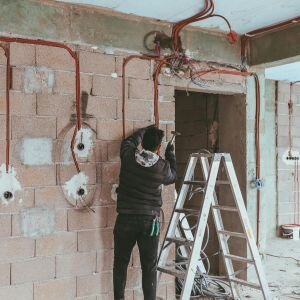
Determining the price of a house with unpermitted work presents a complex challenge that demands careful consideration and a solid grasp of the Maryland real estate landscape. Unpermitted work can result in a drop in property value, impacting the overall sale potential. This section discusses effective strategies for setting competitive prices while taking into account the impact of unpermitted work on a property’s value in Maryland. Implementing these strategies allows sellers to enhance their market potential while effectively addressing any concerns buyers might have regarding the property’s legality and safety.
Strategies for Competitive Pricing in Maryland
It’s important to anticipate buyer concerns when pricing a Maryland house with unpermitted work. A thorough property assessment reveals how unpermitted constructions damage its value. Market-savvy Maryland real estate professionals may help with pricing modifications to stay competitive.
Consider unpermitted work costs and be transparent about them to gain a negotiation edge. Reduce the house’s price to attract renovators. This method mitigates unpermitted work dangers. To set a fair price, benchmark your property against nearby sales. Consider timing your sale with favorable market conditions to boost buyer confidence and interest. With these tips, sellers can boost property appeal and sell despite unpermitted works.
How Unpermitted Work Affects House Value in Maryland
Unpermitted work can considerably impact Maryland house value, making it a crucial pricing factor. Buyers realize the risks of unpermitted renovations in competitive markets. These may pose legal and safety problems, affecting housing finance applications. Banks may deny mortgages for homes with unpermitted renovations due to liability concerns, deterring buyers. Thus, such properties may sell for less.
The rigorous Maryland building codes govern all property work. Delaying compliance may increase legal concerns and lower property value. Unpermitted work must be disclosed by sellers. Future obligations are reduced by transparency, which improves buyer trust. Vendors may validate unpermitted works with retrospective permits to reduce value loss. If sellers consider how unpermitted work affects house value, they can preserve their investment and better address buyer concerns.
Selling your property shouldn’t be complicated. We handle it fast, simply, and fairly. Contact Us at Direct MD Cash Buyers.
Finding the Right Buyers for Your Property in Maryland
In Maryland, selling a property with unpermitted work requires a careful plan to attract purchasers who aren’t worried about any compliance problems. Homeowners could choose to focus on investors or those who are willing to acquire homes that need more renovation. Knowing how the property market works and using that knowledge to your advantage can help you sell your home. By concentrating on customers who want to invest, sellers can improve their chances of making a transaction. In this tutorial, we’ll talk about how selling to investors can be good for you and provide you with useful marketing techniques for getting potential buyers interested, even if you have unpermitted works.
Exploring Sale to Investors as a Viable Option
Properties with unpermitted work are profitable for investors. Investors view the home as an investment, unlike ordinary buyers. They recognize the risks and rewards of buying residences that need renovation or compliance modifications. Selling your house to investors might turn perceived downsides into profits. Investors may value the chance to buy below market price and make big returns after renovation or legal retrofitting.
Investors are also more familiar with local building laws and plan review procedures. Their experience with repairs and safety issues might ease sellers’ legal and administrative burdens. Since investors are less concerned about unpermitted repairs, selling to them can speed up the process and reduce market interruptions.
Thus, promoting your property’s investment potential during negotiations might streamline the selling process and attract investors. Sellers must disclose unpermitted work to foster trust and ensure successful transactions. Sellers can leverage investors’ interest in Maryland real estate by placing the property compellingly.
Tips for Marketing a Home with Unpermitted Work in Maryland
Strategic marketing of a home with unpermitted works is possible. Highlight the property’s location, size, and distinctive features to attract early purchasers and investors. To address buyer safety and compliance issues, be transparent about unpermitted work to build credibility and avoid inspection surprises.
Detailing retroactive permit plans and compliance resolution methods helps reassure buyers about the property’s future improvements. Focus your marketing on real estate investment networks or internet listings for project-seeking buyers. Detailing the property can help purchasers see its full potential. You can attract investors who can turn properties into high-value assets by selling flexibility, creative potential, and customisation.
Also, display Maryland building code-compliant partial renovations. This boosts property appeal and shows a proactive approach to code compliance, easing purchasers of burden. Open homes and virtual tours show transparency and interest and can attract buyers. Sellers can market their home despite unpermitted works with these ideas and find buyers ready to take on problems.
Do you need to sell your house fast? Skip repairs and sell without the stress. Direct MD Cash Buyers is ready to assist. We offer fair cash deals, handle every step, and keep the process easy. Call (443) 391-7080 today for a no-obligation offer. Let’s get started!
FAQs:
What Are the Challenges of Selling a House With Unpermitted Work in Maryland?
Unauthorized renovations can lead to a decrease in home values in Maryland. Properties that have been improved without the necessary permits might have a lower value or could be subject to inspection. Lenders may refuse financing and pursue legal action for violations of local construction codes.
Should Homeowners Get Retroactive Permits for Unapproved Work?
Legalizing illegal conduct retroactively boosts buyer confidence and reduces legal risks. We need money, time, and local building codes. Assess marketability, costs, and seller strategy.
Is It Possible to Sell a House As-Is With Unpermitted Work?
Could sell house as-is. Faster processing may attract investors and fixer-uppers. Bids may be affected by costs and risks. Buyers need unpermitted work disclosure.
How Can Unpermitted Work Affect a Property’s Value?
Illegal work may devalue property due to safety and legal issues. Maryland’s harsh building codes. Anti-compliance may cause consumer loss or cheaper prices. Selling agents can request retroactive renovations.
How Can Sellers Market Unpermitted Work Homes?
Sell your home with clarity, potential, location, and individuality. Buyers and investors market renovations directly. Despite unregistered work, compliance plans and thorough property photos may entice purchasers.
Helpful Maryland Blog Articles
- Selling A Probate House In Maryland
- How to Sell a House with a Squatter in Maryland
- How to Avoid Closing Costs in Maryland
- Sell a House That Failed Inspection in Maryland
- Sell House and Rent Back Option in Maryland
- Do I Need to Paint My House in Maryland to Sell It?
- Selling a House With Unpermitted Work in Maryland
- How to Sell Distressed Property in Maryland