![Who Covers the Cost of Appraisal and Inspection In [market_city]](https://image-cdn.carrot.com/eyJidWNrZXQiOiJwcm9kdWN0aW9uLmNhcnJvdC11cGxvYWRzLm9uY2Fycm90LmNvbSIsImtleSI6InVwbG9hZHMvc2l0ZXMvMTIzMzMvMjAyNi8wNy9XaG8tQ292ZXJzLXRoZS1Db3N0LW9mLUFwcHJhaXNhbC1hbmQtSW5zcGVjdGlvbi5wbmciLCJlZGl0cyI6eyJyZXNpemUiOnsid2lkdGgiOjExNTJ9LCJ0b0Zvcm1hdCI6IndlYnAiLCJ3ZWJwIjp7InF1YWxpdHkiOjcwfX19)


Most Maryland sellers learn about appraisal and inspection fees at the closing table, which is exactly the wrong time to find out about them. By then, the contract is signed, the lender’s timeline is running, and you don’t have leverage to push back on anything.
Why This Trips Up So Many Maryland Sellers
A retired couple in Ellicott City called me last spring because their home had been under contract for three weeks and they’d just been handed a buyer’s repair request for over $14,000. The list came directly from the inspection report they’d never seen before the sale, because they hadn’t ordered one themselves. We worked through their options together, but they lost more than two weeks and nearly lost the sale. If someone had walked them through who pays what and why before they ever listed, that situation would have looked entirely different.
The Vargas family reached out to me two weeks ago from Dundalk, a working-class neighborhood in eastern Baltimore County where rowhouses move quickly when priced right. Their dad had just transitioned into an assisted living facility, and they needed to move his property without the emotional weight of a drawn-out listing process. The house had a detached garage full of his tools and a workshop he’d built himself over thirty years. They had no idea whether they needed an appraisal, an inspection, or both, and who was supposed to pay for each. We sat down and mapped it out, start to finish (that conversation took about an hour). This kind of clarity is what this article is for.
If you’d rather avoid appraisal disputes, repair negotiations, and the uncertainty that often comes with a traditional sale, Direct MD Cash Buyers can help. We buy houses throughout Maryland for cash, allowing many sellers to skip financing-related appraisals and sell their homes as-is with a straightforward closing process.
Who Pays for the Appraisal and Inspection in Maryland
Getting this backward in a contract negotiation creates a leverage problem that’s hard to undo once the offer is signed.
In a standard Maryland-financed transaction, the buyer pays for the appraisal. Their lender requires it, orders it through an appraisal management company, and charges the fee back to the buyer as part of the loan origination process. The seller doesn’t write a check for the appraisal unless they’ve agreed to seller concessions that cover a portion of the buyer’s closing costs, in which case the appraisal may effectively come out of the seller’s proceeds indirectly.
The home inspection is also paid by the buyer, as a rule. They schedule it, choose the inspector, receive the report, and pay the fee directly to the inspector at the time of service. This is true across the Baltimore metro area, the D.C. suburbs, and into rural Maryland. The inspection is the buyer’s due diligence tool, and they foot the bill, leaving sellers with little say in who shows up or what gets scrutinized.
Where this gets complicated: sellers who want to order a pre-listing inspection and pay for it themselves before any buyer is involved. That’s a different transaction from the buyer’s inspection contingency. You’re paying to get ahead of the information, not because anyone is forcing you to.
Concessions add another layer. In a negotiated transaction, a seller might agree to credit the buyer 2% or 3% of the purchase price toward closing costs. Those credits can technically offset inspection and appraisal fees, even though the seller technically paid nothing directly. Functionally, you’re absorbing those costs through a reduced net at closing.
Key Differences Between a Home Appraisal and a Home Inspection in Maryland

An appraisal and an inspection are not interchangeable, and treating them as if they are will cost you money.
A home appraisal is a formal opinion of property value prepared by a licensed appraiser credentialed through Maryland’s Commission of Real Estate Appraisers, Appraisal Management Companies, and Home Inspectors. The appraiser’s job is to tell the lender what the property is worth, not to find things that are broken. Their report drives mortgage approval decisions. A buyer’s lender will not fund a loan without one.
A home inspection, by contrast, is a condition assessment. The inspector walks through the property, checks the roof, HVAC system, electrical panel, plumbing, foundation, and dozens of other components, then delivers a written report documenting any deficiencies, aging, or outright unsafe conditions. The report belongs to whoever orders it, typically the buyer. Its purpose is to inform the buyer’s decision, not to satisfy the lender.
Where confusion tends to enter the room: both happen around the same time in a Maryland real estate transaction, and both involve a professional walking through your house, taking notes. But one feeds the lender’s risk calculation, and the other feeds the buyer’s repair request. Those are very different documents with very different consequences.
Statewide, the Maryland median sale price reached roughly $448,000 as of May 2026, which means a lot of money is riding on both of these reports. Getting one wrong or missing one can unravel a sale that took weeks to build. If you’re looking to sell your house fast in Annapolis and other Maryland cities, understanding the difference between an appraisal and an inspection can help you avoid surprises and keep your sale on track.
Why Home Appraisals Matter in Maryland Property Transactions
Sellers sometimes ask why they should care about the appraisal at all since the buyer’s lender orders it. Fair question. It affects your bottom line directly.
If the appraised value comes in below the agreed sale price, the buyer’s lender won’t fund the full loan amount. At that point, the buyer either has to cover the cash gap, you have to drop the price, or the sale falls apart. None of those options feels good when you’re three weeks from closing. Alow appraisal is one of the more common reasons a financed sale falls apart, especially when neither side has room to close the gap.
Sellers who price their homes accurately from the beginning tend to sail through appraisals. Sellers who chase an optimistic number and accept an offer that won’t survive scrutiny often end up renegotiating under pressure, when their leverage is the weakest.
A low appraisal also triggers a period of contract negotiation where the buyer has significant power. They can request a price reduction, ask you to cover additional closing costs, or simply walk away with their earnest money intact under a standard financing contingency. Maryland real estate contracts written on the standard Maryland REALTORS forms include clear appraisal contingency language that protects buyers in exactly this scenario.
The appraisal isn’t just a formality, especially in a market where homes are sitting on the market a median of 45 days before going under contract. Shoppers have more time to think. More time to think means more willingness to walk if the numbers don’t add up.
How the Home Inspection Process Works in Maryland
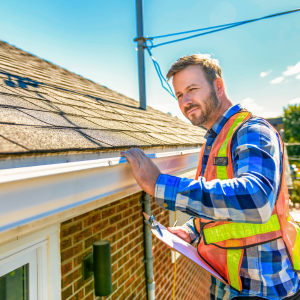
A standard Maryland home inspection covers somewhere between 300 and 400 inspection points, depending on the inspector and the property type. Covering a lot of ground in a two to three-hour walkthrough is no small feat.
After the seller accepts the offer and all parties sign the purchase contract, the buyer schedules the inspection. Most standard Maryland contracts include an inspection contingency window, usually five to ten business days from ratification, during which the buyer can have the property inspected and decide whether to proceed, request repairs, or terminate. The window is negotiated in the contract, and it can be waived; some buyers in competitive offer situations have waived all inspections, which I’d argue is one of the riskier moves a buyer can make, because you’re flying blind on a property that could have serious hidden defects.
The inspector physically examines the structure: foundation, framing, exterior cladding, roof, attic insulation and ventilation, plumbing, electrical, HVAC, and interior finishes. They don’t move furniture or open walls, but they do operate all accessible systems and report on their condition. At the end of the inspection, the buyer gets a written report with photographs that documents every deficiency, from minor wear items to safety hazards (and that list can get long).
Specialty inspections, radon testing, sewer scope, pest inspection, mold testing, chimney inspection, or a septic evaluation are separate add-ons that the buyer orders and pays for individually. A house in Anne Arundel County with a septic system and a wood-burning fireplace can rack up four or five separate inspection reports before the buyer has a complete picture. This is not unusual; it’s just how thorough due diligence works in Maryland.
If you’d rather avoid inspection contingencies, repair negotiations, and the uncertainty of the traditional selling process, contact us for a fair cash offer. We buy homes as-is throughout Maryland, making it easier to sell on your timeline.
Maryland Legal Requirements for Home Inspections
Does Maryland actually require a seller to provide an inspection?
No, it doesn’t. Maryland law does not require sellers to order or provide a home inspection as a condition of sale. What the law does require is disclosure. Under Maryland’s seller disclosure statutes, sellers of residential property must complete a written disclosure or disclaimer statement covering known defects and material conditions affecting the property. Buyers can, in turn, waive their right to disclosure and accept an “as-is” disclaimer, thereby shifting more risk to their own due diligence.
The inspection itself is a creature of the contract, not the law. Buyers write an inspection contingency into the purchase offer, and the seller agrees to it as part of contract negotiations. If you accept an offer with no inspection contingency, the buyer has waived their right to inspect under the contract, even though Maryland law doesn’t prohibit them from hiring an independent inspector.
Home inspectors in Maryland are licensed through the Maryland Commission of Real Estate Appraisers, Appraisal Management Companies, and Home Inspectors. A home inspector license requires renewal every 2 years, with a $325 licensing fee. That licensing structure means you can verify credentials before you let someone into your house.
Buyers in Maryland are also entitled to attend the inspection in person. Most good inspectors encourage it. A buyer who has walked through the property with the inspector and understands the context of each finding is far less likely to send a wildly inflated repair request than one who reads the report cold without any explanation.
What Maryland Home Inspection Costs Look Like and Who Covers Them

A buyer in Columbia, Howard County, called me after their inspection flagged a water heater, two GFCI outlets that weren’t working, and a bathroom exhaust fan venting directly into the attic instead of outside. Nothing catastrophic, but the buyer wanted every item addressed before closing. The seller hadn’t budgeted for any of it.
Home inspection costs in Maryland generally fall within $325 to $425 for a standard single-family home. Larger properties, older construction, or homes with crawl spaces and multiple HVAC systems push that number higher. Radon testing adds $100 to $150 to the base fee. A pest inspection runs another $75 to $150, depending on the company and the county. By the time a thorough buyer in Annapolis or Gaithersburg has completed all their due diligence inspections, they may have spent $600 to $800 or more before they know for certain what condition they’re buying into.
Buyers pay these fees out of pocket, before closing, regardless of whether the sale proceeds. If the buyer terminates under the inspection contingency, those inspection fees are lost. That’s a risk buyers accept when they write an inspection contingency, and it’s part of why some buyers in competitive Maryland markets occasionally waive inspections on properties they’re confident about, though that’s a decision that can come back to hurt them.
For sellers, the inspection-related cost that sneaks up on people isn’t the inspection fee itself; it’s the repair credit that follows. A buyer who receives a detailed inspection report will submit a repair or price-reduction request during the contingency period. Sellers who’ve budgeted for the sale price but not for a potential $3,000 to $8,000 repair credit get squeezed at exactly the wrong moment. Budget for it from the start, and the closing process stays manageable.
How Appraisal Fees Work for Maryland Buyers and Sellers
Nobody talks enough about what happens when the appraisal fee is paid, but the transaction still falls apart.
A standard Maryland home appraisal runs around $625 in most parts of the state, and that fee is non-refundable once the appraiser has completed the work. If the sale collapses after the appraisal is done due to a low value, a failed inspection, or a financing issue, the buyer doesn’t get that money back. They paid for a report, and they got one. The fact that the transaction didn’t close is irrelevant to the appraiser’s fee.
Lenders collect the appraisal fee upfront, at or shortly after the loan application. Some lenders roll it into closing costs; others charge it separately before the appraisal is even scheduled. Buyers should ask their lender specifically when and how the fee is collected, because being caught off guard by an upfront charge two weeks into a transaction is a real thing.
The appraisal fee matters most to sellers when it results in a value below the contract price. At that point, the appraisal becomes the center of a negotiation that no one planned for. An appraisal can be disputed by sellers who provide the appraiser with additional comparable sales that the appraiser may have missed, or by requesting a formal reconsideration of value through the lender. That process takes time and doesn’t always go the seller’s way. For homeowners who want to avoid appraisal-related delays altogether, a cash home buyer in Maryland purchases properties without requiring a lender-ordered appraisal.
Frequently Asked Questions
How Much Does an Appraisal Cost in Maryland?
A standard home appraisal in Maryland runs approximately $625 for most residential properties, though the fee climbs for larger homes, rural properties with limited comparable sales data, or complex loan types like FHA or VA. Drive-by appraisals cost less, but most lenders won’t accept them for a purchase transaction. Always ask your lender upfront how they collect the fee and whether it’s refundable if the transaction doesn’t close.
Who Is Responsible for Paying the Appraisal Fee?
In a financed Maryland home purchase, the buyer pays the appraisal fee as part of the loan process. The lender requires the appraisal, but the cost is passed on to the buyer. If the seller orders a pre-listing appraisal before putting the home on the market, they pay for that one themselves. Seller concessions can indirectly cover the cost if the parties negotiate it that way, but the buyer is still writing the check at origination.
Should You Pay for an Appraisal Before an Inspection?
In a standard buyer-financed transaction, the appraisal and inspection are typically conducted around the same time, usually within the first two weeks after contract ratification. There’s no universal rule about which comes first. Lenders typically move quickly to order the appraisal once a contract is in place, while buyers schedule inspections during their contingency window. For sellers, a pre-listing inspection almost always makes more strategic sense than a pre-listing appraisal, since it surfaces condition issues you can actually address before buyers see them.
If you want to talk through what appraisals and inspections actually mean for your specific property and situation, Direct MD Cash Buyers is happy to do that. No pitch, no pressure. Whether you end up listing traditionally, doing a pre-listing inspection, or skipping all of it and selling as-is, the right path depends on your timeline, your property, and what you can realistically handle. Reach out to us at (443) 391-7080 whenever you’re ready. We’ll give you straight answers and let you decide.
Helpful Maryland Blog Articles
- Can I Sell My House Below Market Value?
- Can I Sell My House Before Paying Off the Mortgage?
- Who Pays for Appraisal and Inspection in Maryland
- Selling a House With Delinquent Property Taxes in Maryland
- How Long to Live in a House Before Selling
- For Sale by Owner Benefits in Maryland
- Can Someone Take Over My Mortgage In Maryland
- Difference Between A Deed And Title
- Can I Sell My Parents’ House With Power Of Attorney In Maryland
- Selling a House With Solar Panels
- How Maryland Homeowners Can Sell a House with Septic Tank Problems
- How Soon Can You Sell Your House After Chapter 7 Bankruptcy